Visit our centre
Looking for unforgettable things to do in the Garden Route? Visit our Bird of Prey Centre for ethical wildlife tourism and meaningful raptor encounters in a beautiful outdoor setting. Ideal for families, school groups, and eco-conscious travellers, we’re conveniently located along the N2, the perfect stop-over between destinations. Enjoy a refreshment, browse our gift shop, and let the kids explore the playground while you wait. A must-visit Garden Route attraction.
Guided tour & flying demonstrations
Summer season (1 Dec – 30 April)
12:00pm • 2:00pm • 4:00pm
Winter season (1 May – 30 Nov)
12:00pm • 2:00pm
Sundays: Last tour at 2:00pm
Rates 2026
Adults R190.00pp
12+ and students R160.00pp
Seniors 60+ R160.00pp
Children (3-12) R120.00pp
Visitor Information
OPENING HOURS
Tues – Sat 9:00am – 5:00pm
Sunday 9:00am – 3:00pm
Closed Mondays
During school holidays, we are open 7 days a week and offer an additional 10:00am tour. Booking is essential to avoid disappointment.
Hours and tours may change due to animal welfare, weather, or rescue activity. Planned annual closures apply, please check dates below and plan ahead.
Meet our pilots
Our ambassadors at the centre
Our mission is to return as many rescued raptors as possible to the wild. When release is not possible, we provide a permanent sanctuary where each bird receives exceptional care. Only individuals that are calm and confident in a managed setting take part in our education programmes. To support their wellbeing, we use adapted falconry-based techniques that keep them fit, mentally stimulated, and free to fly during demonstrations. Our birds are never tethered or restrained, allowing natural movement and giving visitors the rare privilege of witnessing their power up close. We maintain a strict no-touch policy. Though trained, these birds remain wild, and for their safety and yours, all guests must follow their guide’s instructions at all times.
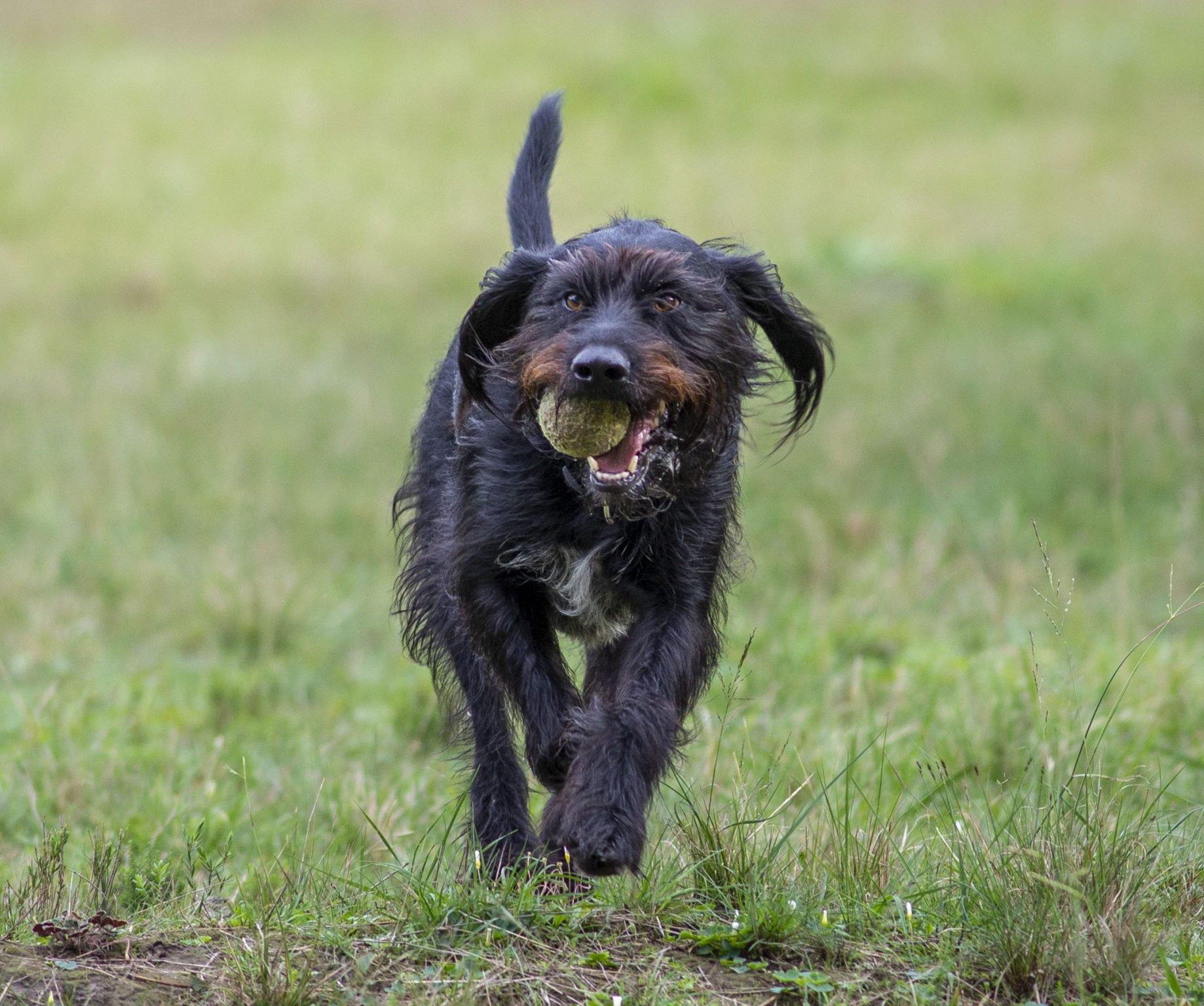
There is, however, one member of the team here purely for your enjoyment , Gustav, our German Wire-haired Pointer. Trained to locate birds with his keen skill and sharp senses, he delights visitors with his impressive performance.
ON-SITE AMENITIES
OUTDOOR SPACES & RELAXATION
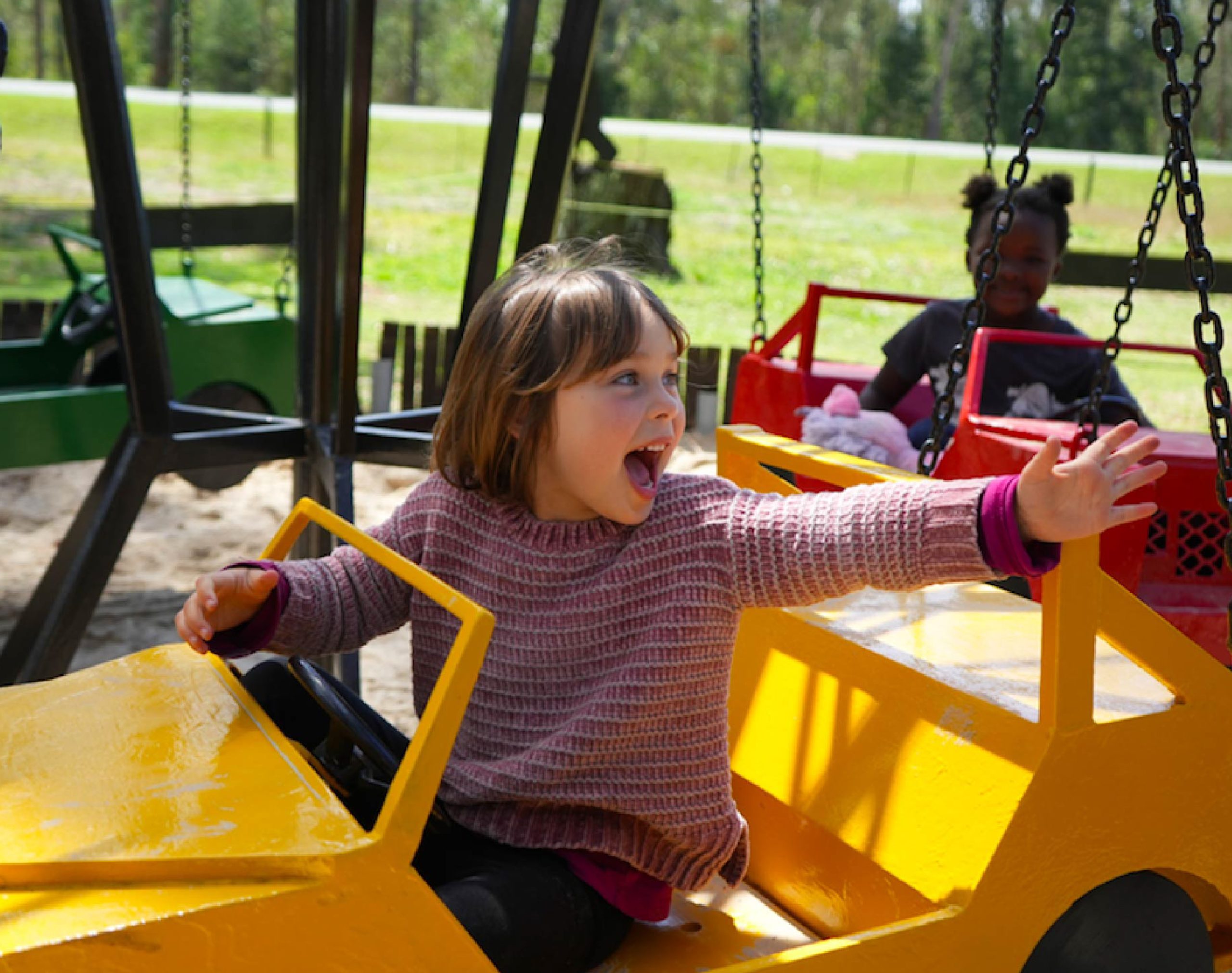
Enjoy our large, peaceful grounds, perfect for dog walking, picnics, reading, or simply unwinding in nature. Dogs are welcome but must be kept under control at all times, and owners are asked to clean up after their pets, bags are available in our shop. Tap water is not potable, but refreshments are available at reception. Children’s playgrounds are provided for use at your own risk, and parents are asked to supervise. WiFi is available at reception.

REFRESHMENTS & SNACKS
Pick up something tasty from our grab-and-go range of pies, fresh sandwiches, and deli favourites, perfect for an easy, relaxed picnic. Ask for a mat or blanket and find a cosy spot to enjoy together. There’s something for everyone, from dried fruit and nuts to sweet treats and freshly baked goodies. Wash it all down with coffee, kombucha, or a warm drink for the whole family.
UNIQUE SHOPPING EXPERIENCE
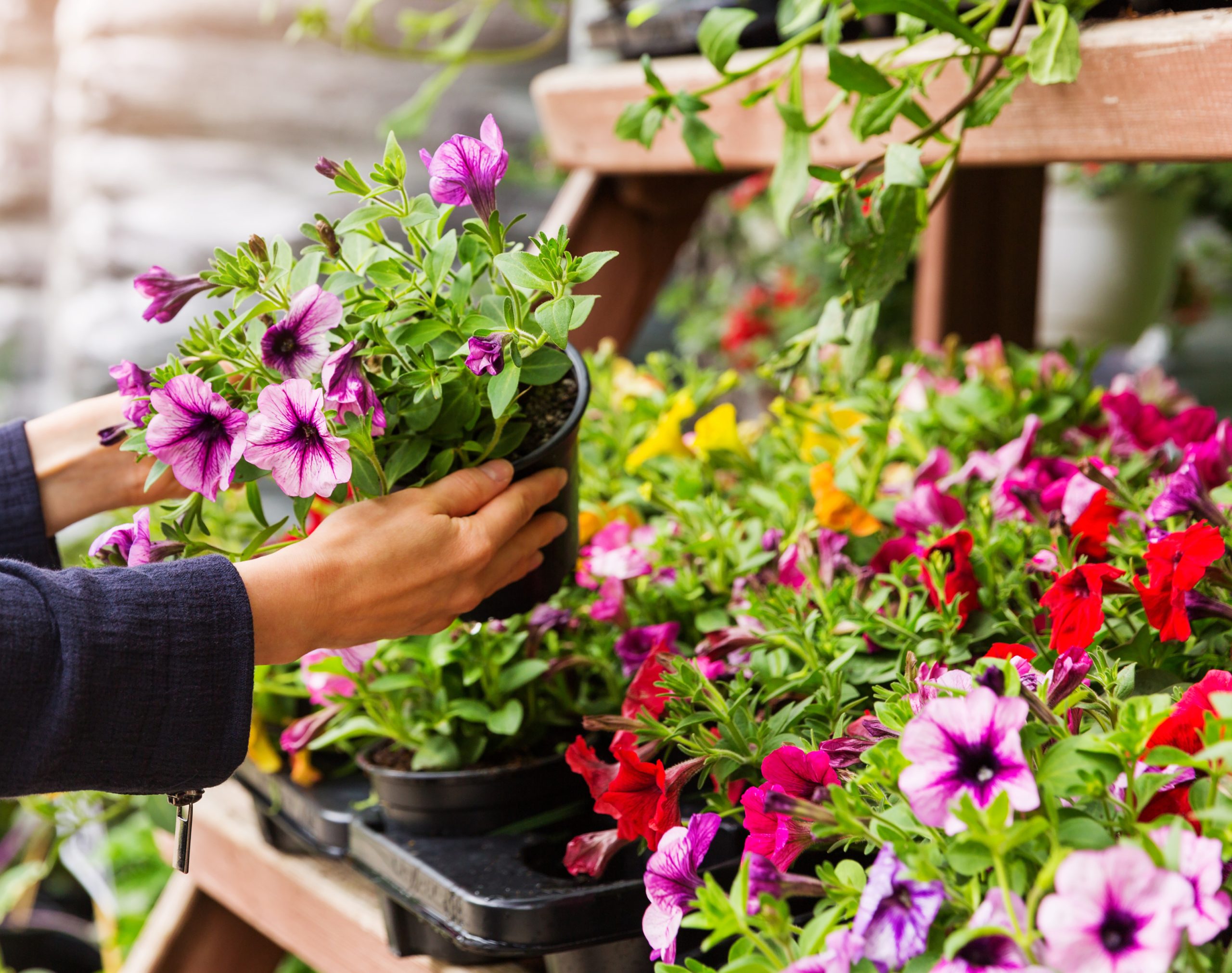
Discover a carefully curated collection of locally made, handmade, and environmentally responsible products, including meaningful gifts, branded keepsakes, owl-safe pest control solutions, and a beautiful selection of home, garden, and pantry items. Every purchase directly supports our rescue, rehabilitation, and education programmes, allowing you to make a positive impact at home while championing conservation.
F.A.Q.
Is this a zoo or wildlife park? Why are the birds here?
We are a rescue, rehabilitation and conservation centre, not a zoo. Many of the birds in our care were injured, orphaned, or affected by human-related threats and were brought to us for treatment. Our priority is always rehabilitation and release back into the wild whenever possible. However, some birds have permanent injuries, such as damaged wings or impaired eyesight, that mean they cannot survive in the wild. These birds remain in our care as education ambassadors, helping us raise awareness about birds of prey, conservation, and the challenges they face.
Can I touch or hold a bird?
We have a strict NO TOUCH policy. Birds of prey and owls are wild animals, even when used for education, and they do not enjoy being petted. Touching causes unnecessary stress and can be harmful to their wellbeing. In addition, the natural oils on human skin can damage the structure and waterproofing of their feathers.
What do you feed the birds?
Birds of prey are carnivorous and rely on their hunting abilities for food. In the wild, they primarily prey on small mammals. They may vary their diet with many different types of game and even insects. We feed our birds predominantly with chicken, mice and rats from local free-range suppliers.
Why are birds of prey important, and why can’t we just leave nature to take its course?
Birds of prey are appex predators and play a vital role in healthy ecosystems. They help control rodent populations, maintain natural balance, and act as indicators of environmental health. When raptor populations decline, it is often a warning sign that something is wrong in the environment. Many of the threats raptors face today are human-caused, including vehicle collisions, power lines, poisoning, and habitat loss. Assisting injured birds is not interfering with nature, but rather taking responsibility for our impact and helping to restore the balance that healthy ecosystems depend on.
Can I bring my dog or other pets?
For the safety and wellbeing of both our birds and your pets, no dogs or animals are permitted inside the centre, with the exception of registered service animals. Dogs are welcome in the park and garden area in front of the centre, provided they are accompanied by their owners and kept under control at all times.
Is your centre suitable for children?
Yes! We offer age-appropriate education, talks, and activities. Children must be supervised at all times, and we ask that everyone remains calm around the birds.
Can I volunteer at the centre?
We love the enthusiasm! Volunteering with us requires a minimum age, a committed time investment, and participation in training while adhering to our strict protocols. Please contact us or visit our website to learn more about current opportunities.
How can I support your work?
You can help by visiting the centre, making a donation, sponsoring a bird, attending our fundraising events, or simply spreading awareness about raptor conservation. Every bit of support helps injured birds get a second chance.
Are you registered and permitted to keep these birds?
Yes. We operate under all required permits and registrations and work closely with conservation authorities and veterinary professionals. We are permitted through CapeNature, hold a valid PAPA licence, and are accredited by the NSPCA.
Why don’t you take rats from the public to feed your birds?
Because it isn’t safe for birds of prey. Most wild rats have been exposed to rodent poison, even if they appear healthy. When a raptor eats a poisoned rat, the toxin passes up the food chain and can cause serious illness or death. Wild rats can also carry diseases and parasites, and their history is unknown. For the welfare of our birds, we only feed approved, safely sourced food.
We recently visited Raptor Rescue Plett, and it was an absolute delight! Our tour guide, Mark, was phenomenal – his passion and love for these magnificent birds are truly inspiring. As a return visitor, I was impressed by the changes made to prioritize the birds’ well-being.
The rescue center has adapted its approach to minimize stress on the birds, and Mark ensures everyone gets a great view of these stunning creatures. The birds’ condition and care are exceptional, a testament to the dedication of the Raptor Rescue Plett team.
Highly recommended! Be sure to visit their charming store and take advantage of the lovely play area for kids while you wait for your tour.
Scheduled Annual Closure dates
To ensure the highest standard of care for our birds and the wellbeing of our team, Raptor Rescue Plettenberg Bay observes scheduled annual closure periods.
THE CENTRE WILL BE CLOSED TO VISITORS ON THE FOLLOWING DATES:
23 February – 2 March
(Reopens Tuesday, 3 March)
26 May – 1 June
(Reopens Tuesday, 2 June)
17 August – 31 August
(Reopens Tuesday, 1 September)
23 November – 30 November
(Reopens Tuesday, 1 December)
During these periods, essential animal care, rehabilitation and maintenance continue behind the scenes, ensuring the centre operates responsibly and sustainably all year round.