Meet our resident ambassadors
Rock Kestrel
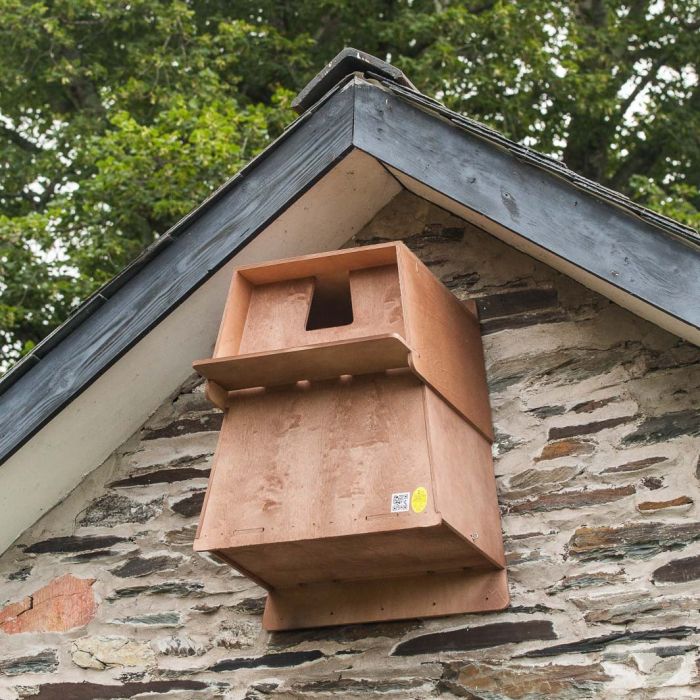
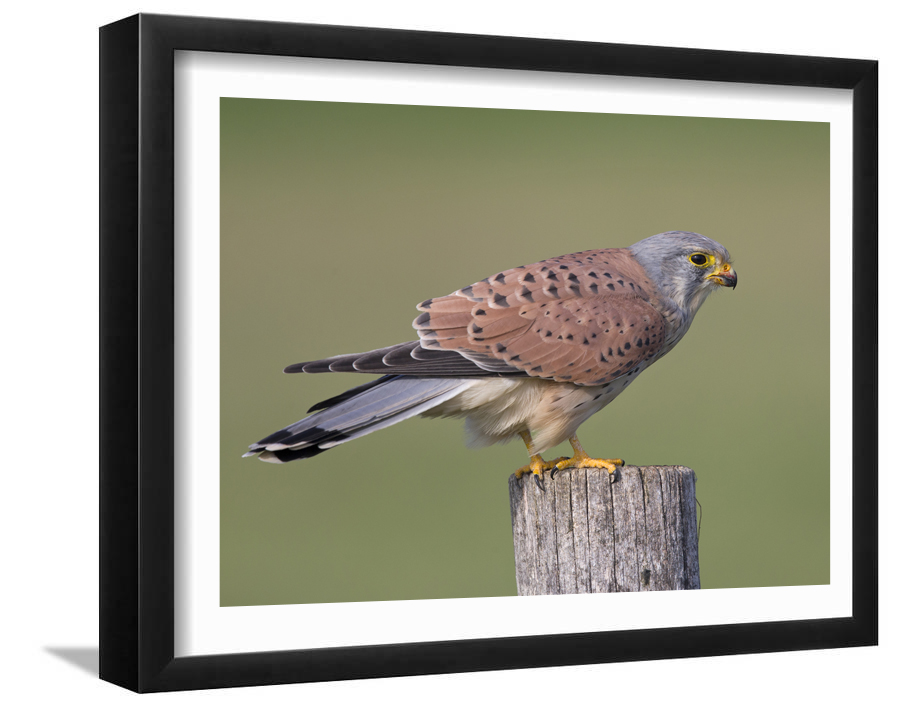
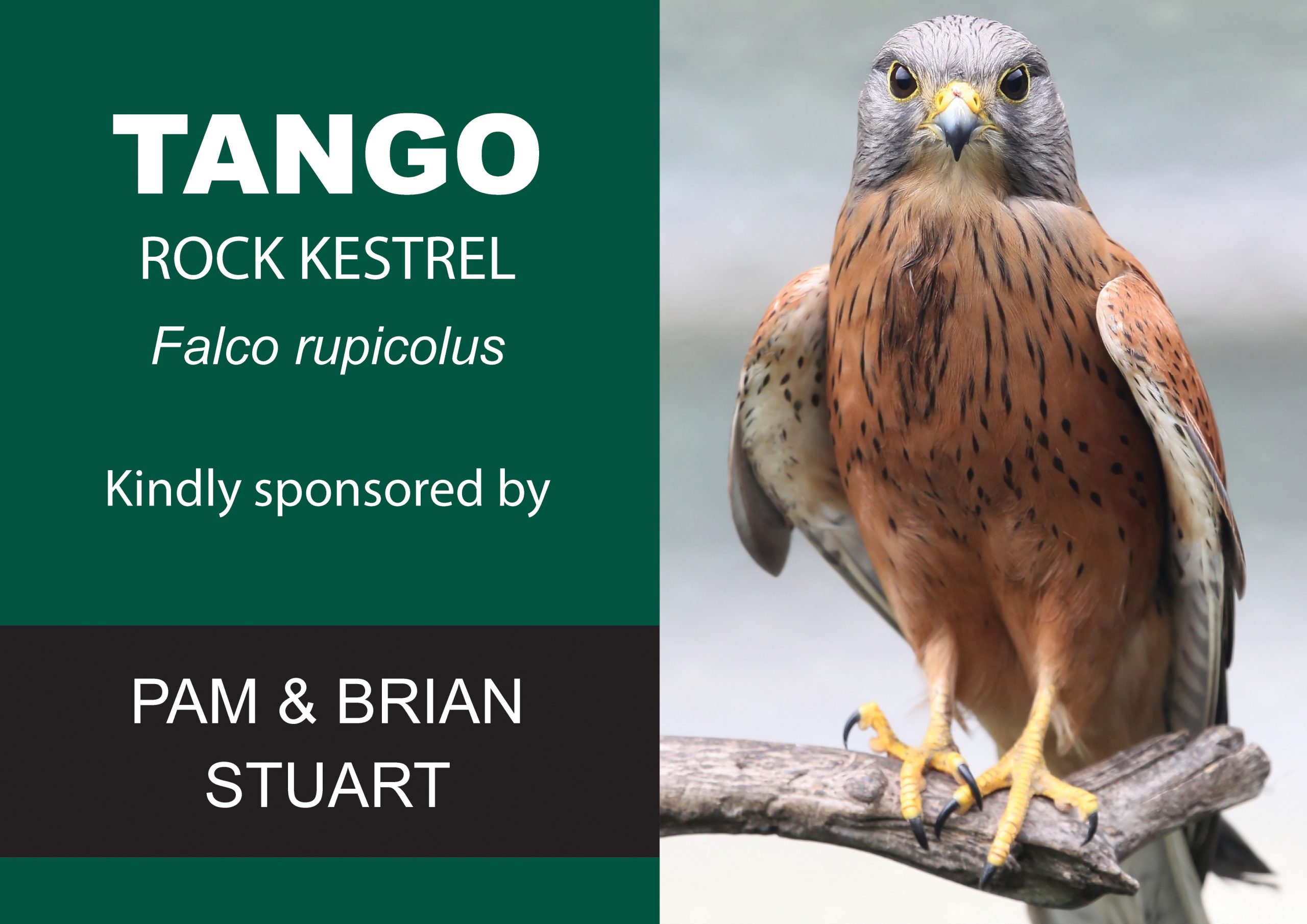
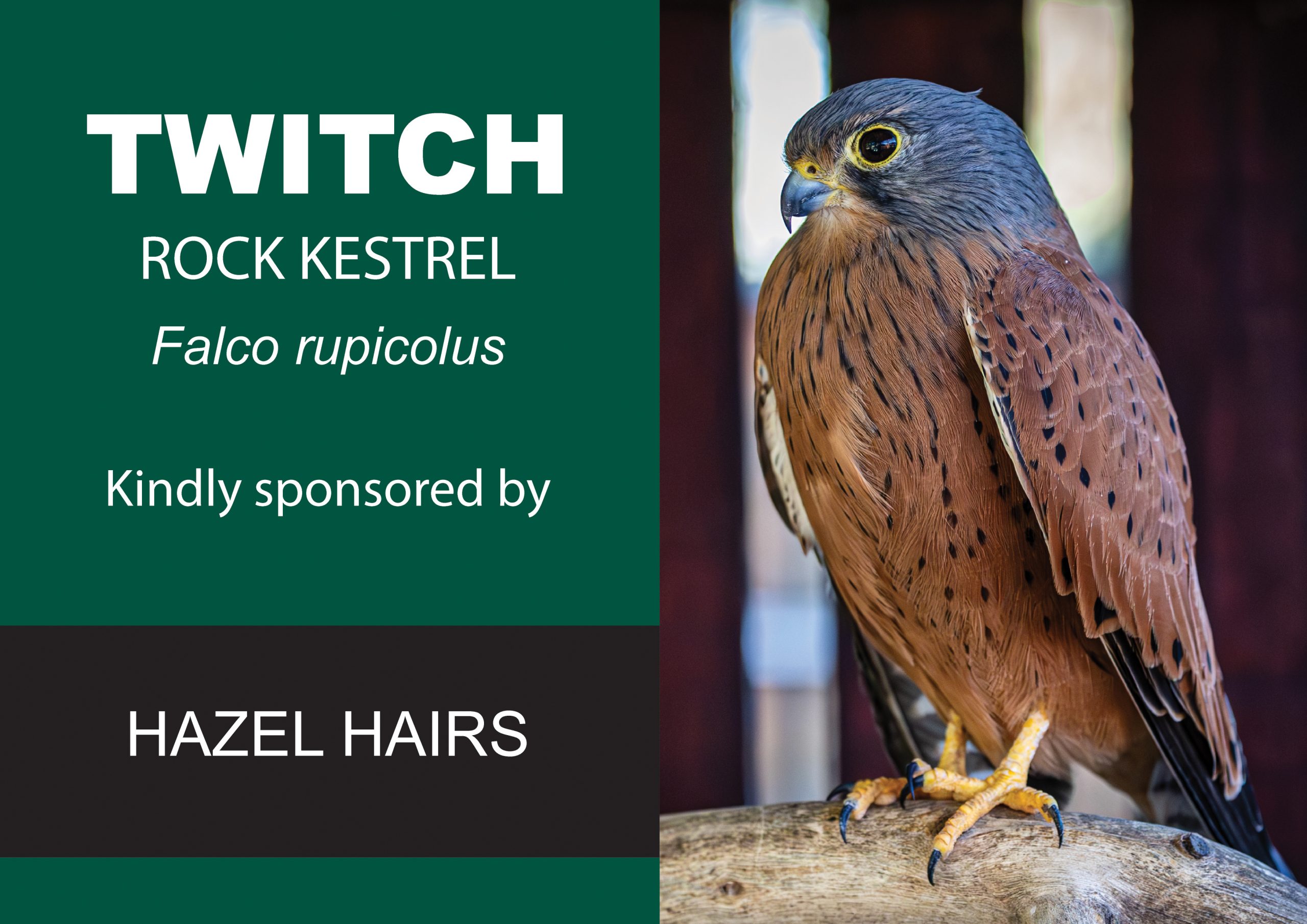
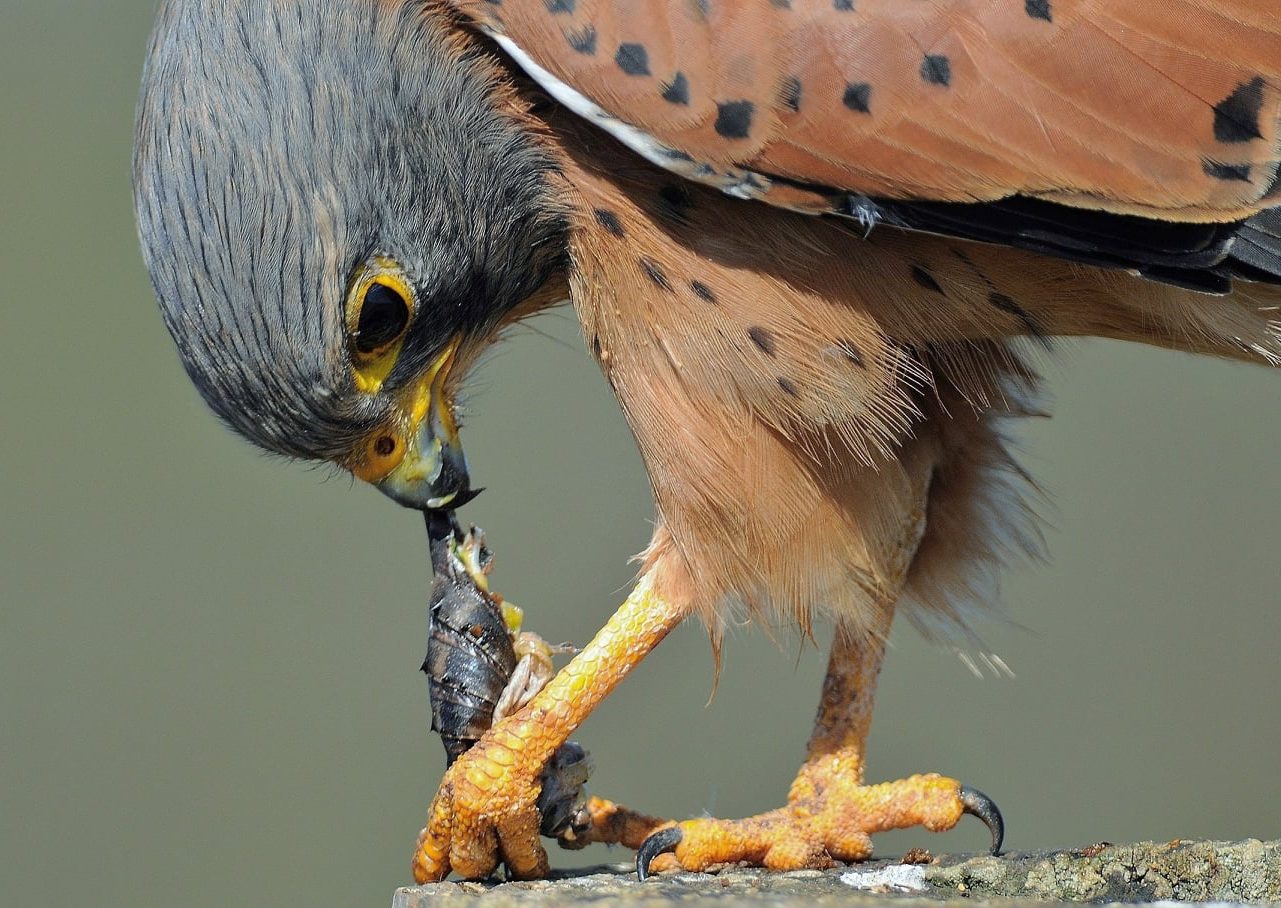
Rock Kestrels are small but highly skilled birds of prey found throughout southern Africa, often seen perched on rocky outcrops, fence posts, or open grasslands scanning for prey. They feed mainly on insects, small mammals, and lizards, making them excellent natural pest controllers. During the breeding season, adults work tirelessly to hunt and feed their chicks, consuming even more prey and helping to maintain balanced local ecosystems. For nesting and roosting, Rock Kestrels prefer cliff ledges, rocky crevices, old buildings, and even tall trees. You can support these agile hunters on your property by providing safe nesting sites, such as ledges or artificial platforms
Sponsor a bird today!
Help care for our resident birds with an annual sponsorship.Your support covers their feeding, and in return, you get unlimited visits, our newsletter, and recognition online as well as on our sponsor boards at the
OUR RESIDENT ROCK KESTRELS
CRICKET
Cricket, a Rock Kestrel, was brought to us as a juvenile after being kept in a wire cage for the first six months of his development. During this critical period he received an inadequate diet and little opportunity to grow naturally, arriving stressed, malnourished, and with severely damaged flight feathers.
Spending his early months in close contact with people and without other kestrels to learn from led to partial imprinting. He also developed metabolic bone disease from early malnourishment, leaving him with a weakened leg. Although his feathers have recovered well and he has grown into a handsome adult, these early challenges mean he is not suitable for release.
Today, Cricket is a lively and engaging ambassador for his species, helping us highlight the importance of correct early care and why professional rehabilitation offers young wildlife the very best chance of returning to the wild. He is proudly sponsored by GVH Landscapes.
Stop using poison!
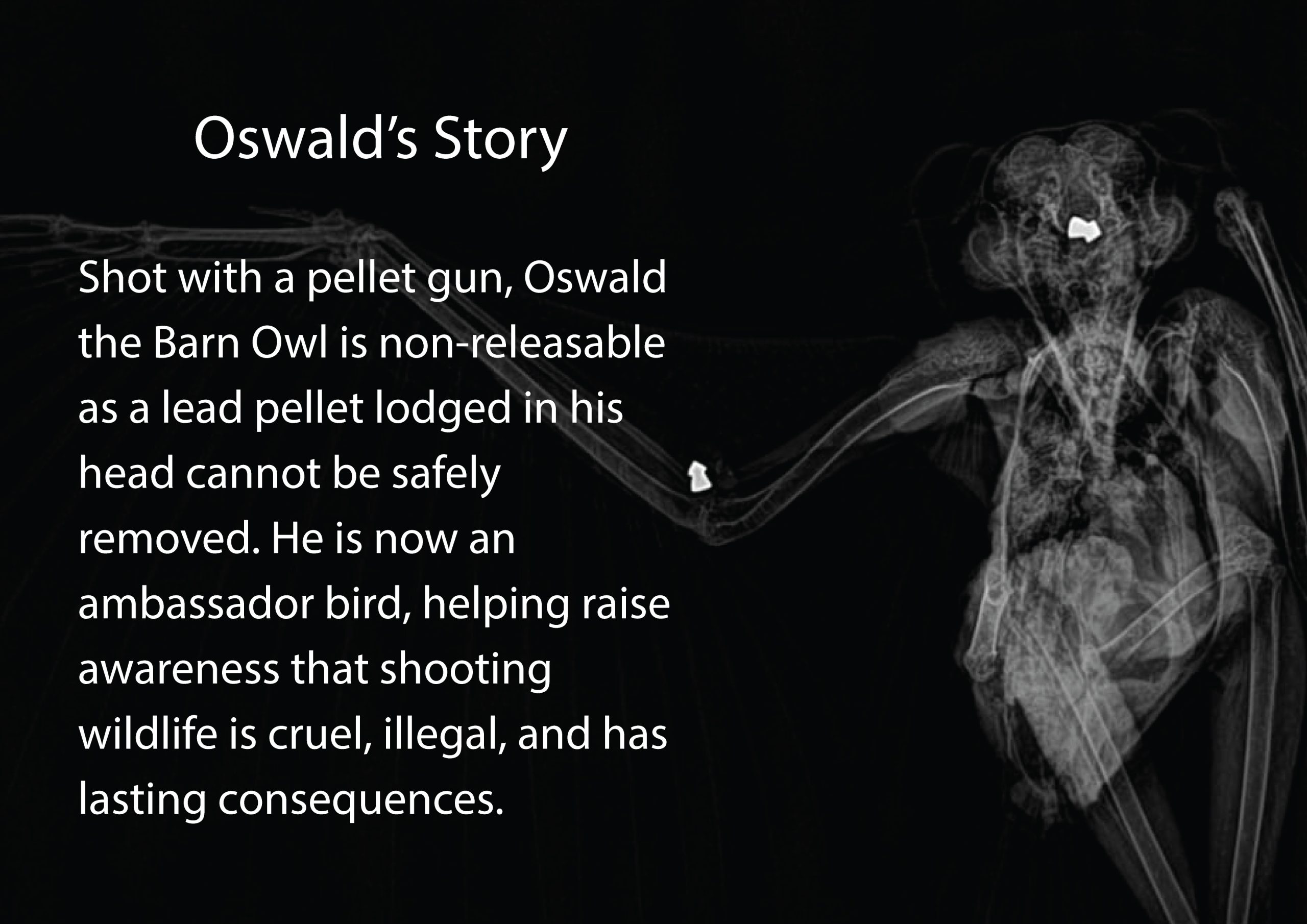
Despite what many people are told, no rodenticide is truly safe. These poisons are not selective and pose a serious risk to wildlife and pets. When rodents eat poisoned bait, it can take several days for death to occur. During this time, weakened rodents become easy prey for predators, leading to secondary poisoning.
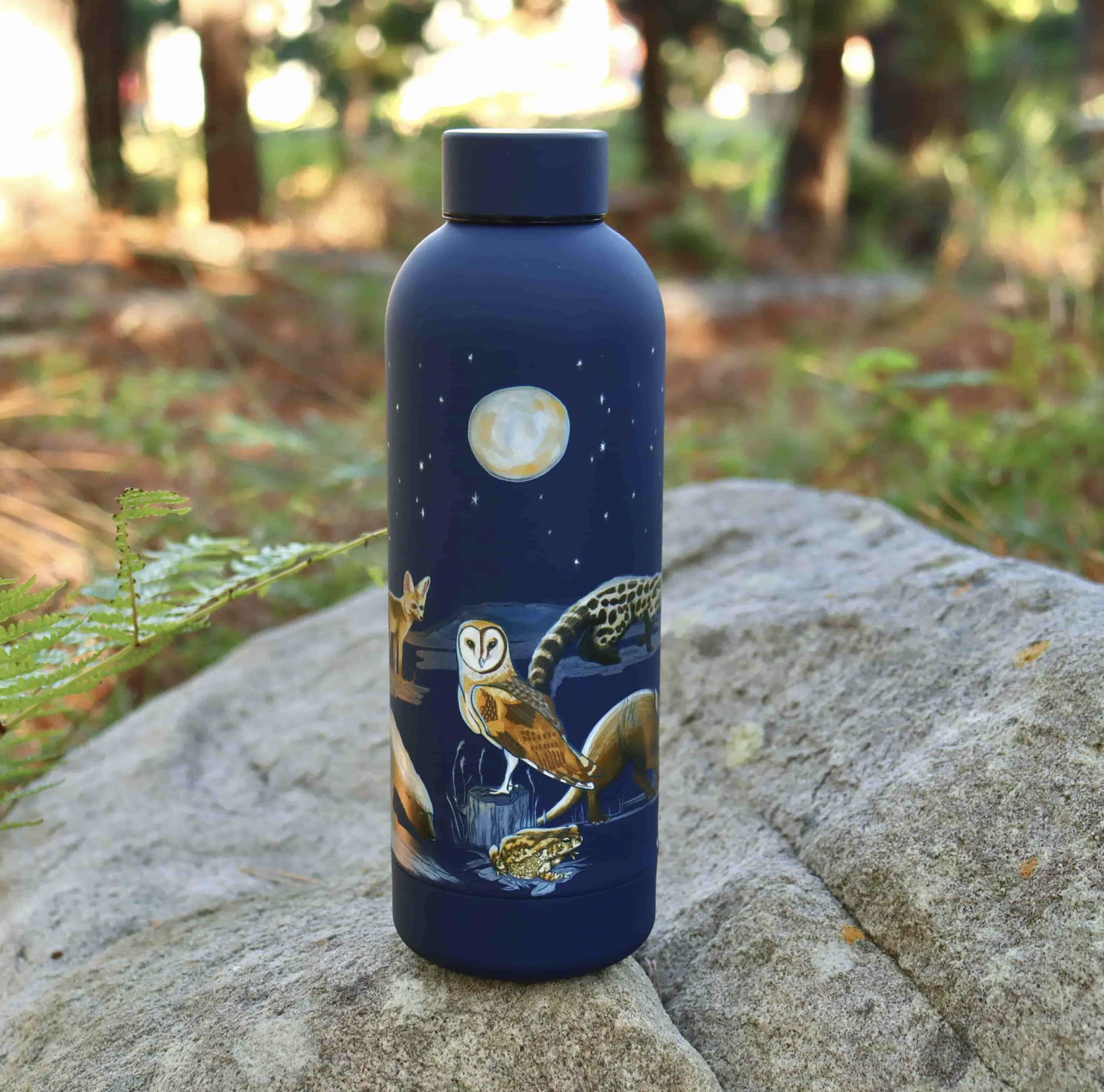
Poisoning is a leading cause of death for birds of prey and contributes significantly to the decline of raptor populations. In one year, a single Barn Owl can eat 1,000 rodents or more. Please, let the birds do their job and stop using poison!
Get in touch to learn about eco-friendly and owl-friendly alternatives for safe pest control.