Meet our resident ambassadors
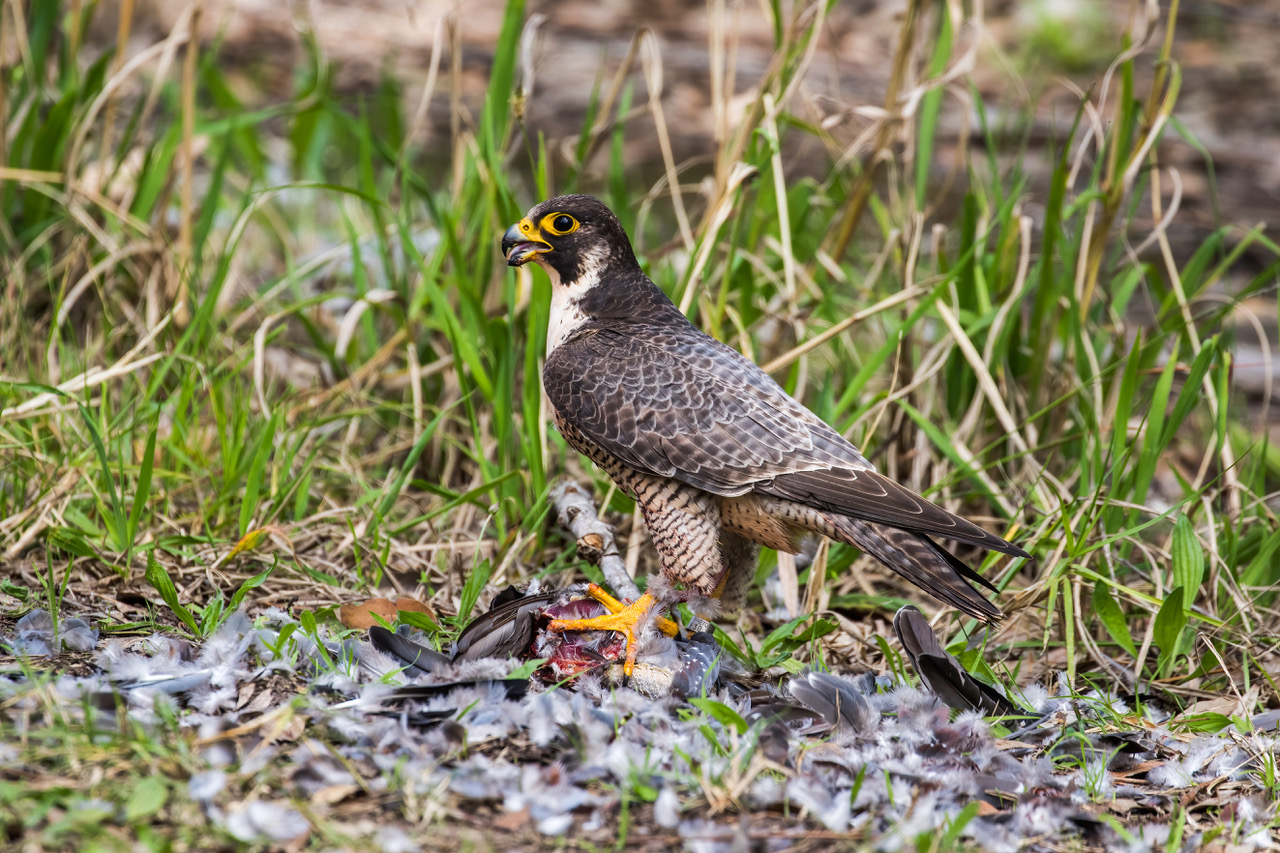
Peregrine falcon
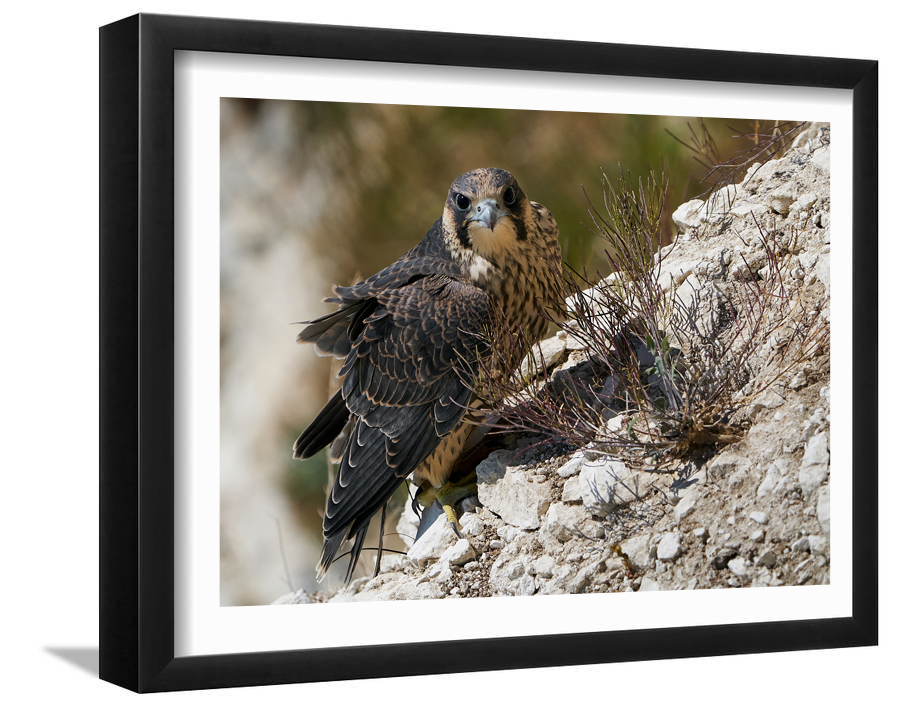
Peregrine Falcons are powerful, fast-flying raptors found across southern Africa, often near cliffs, mountains, and urban areas. They are expert hunters, primarily feeding on other birds, which they capture in mid-air using incredible speed and agility. Known as the fastest animals on the planet, Peregrines can reach diving speeds of over 300 km/h when striking prey. They nest on cliff ledges, tall buildings, and other elevated structures, making use of high vantage points to survey their territory and hunt effectively.
Sponsor a bird today!
Help care for our resident birds with an annual sponsorship.Your support covers their feeding, and in return, you get unlimited visits, our newsletter, and recognition online as well as on our sponsor boards at the
OUR RESIDENT PEREGRINE FALCON
PIRATE JACK
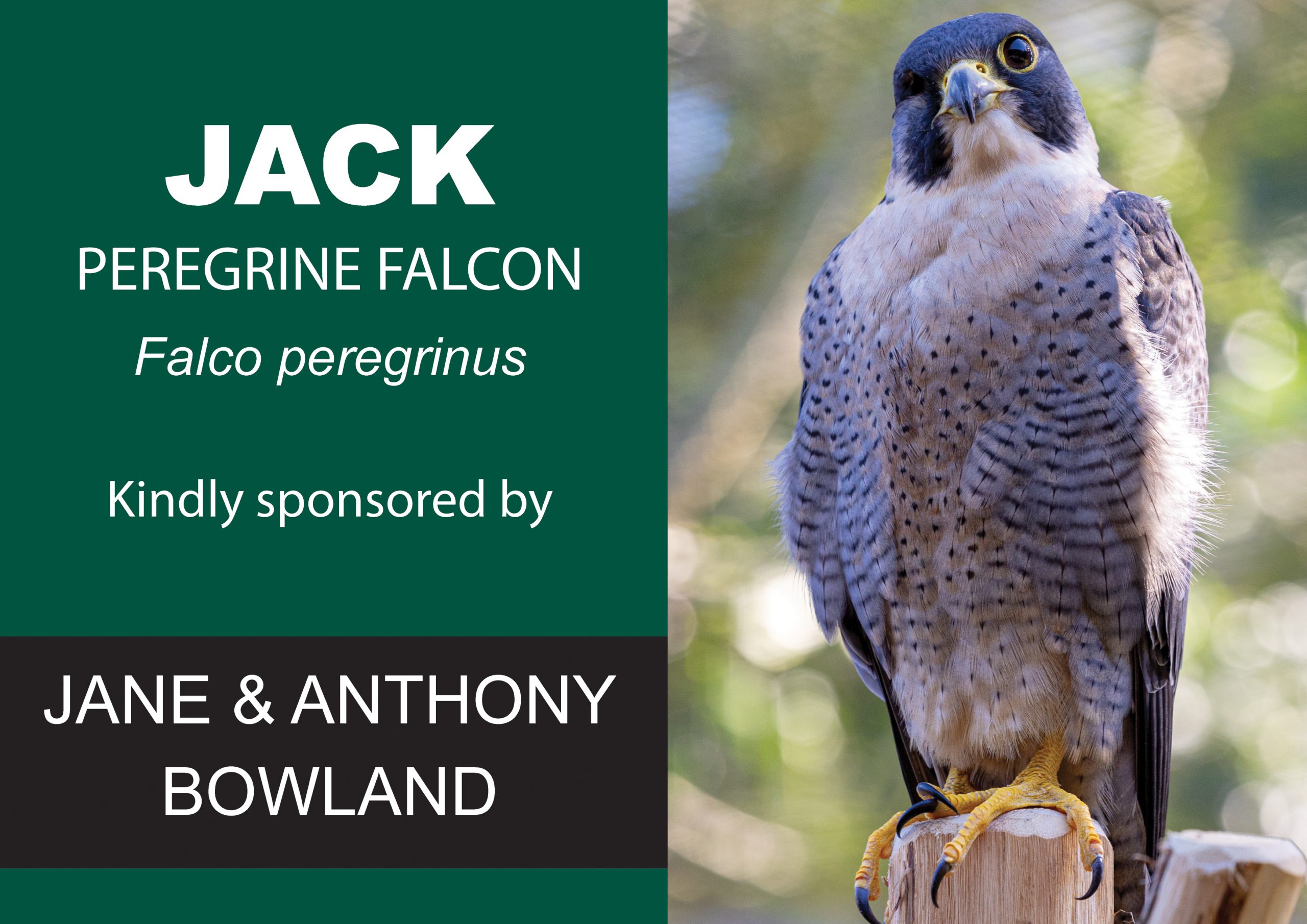
Meet Jack, our one-eyed Peregrine Falcon. He was brought to the centre after being confiscated by a rescuer from a group of children in the Kranshoek area. While his exact history is unknown, we believe the loss of his eye was caused by trauma, possibly from a vehicle collision or a misjudged strike while hunting.
Although some birds can survive in the wild with the loss of an eye, the speed, precision, and agility required for a Peregrine Falcon to hunt make release impossible in Jack’s case. Today, Jack plays a valuable role in our education centre, helping visitors learn about raptor conservation, injury prevention, and the realities faced by wild birds.
Jack is kindly sponsored by Anthony and Jane Bowland.
Threats to Peregrine falcons
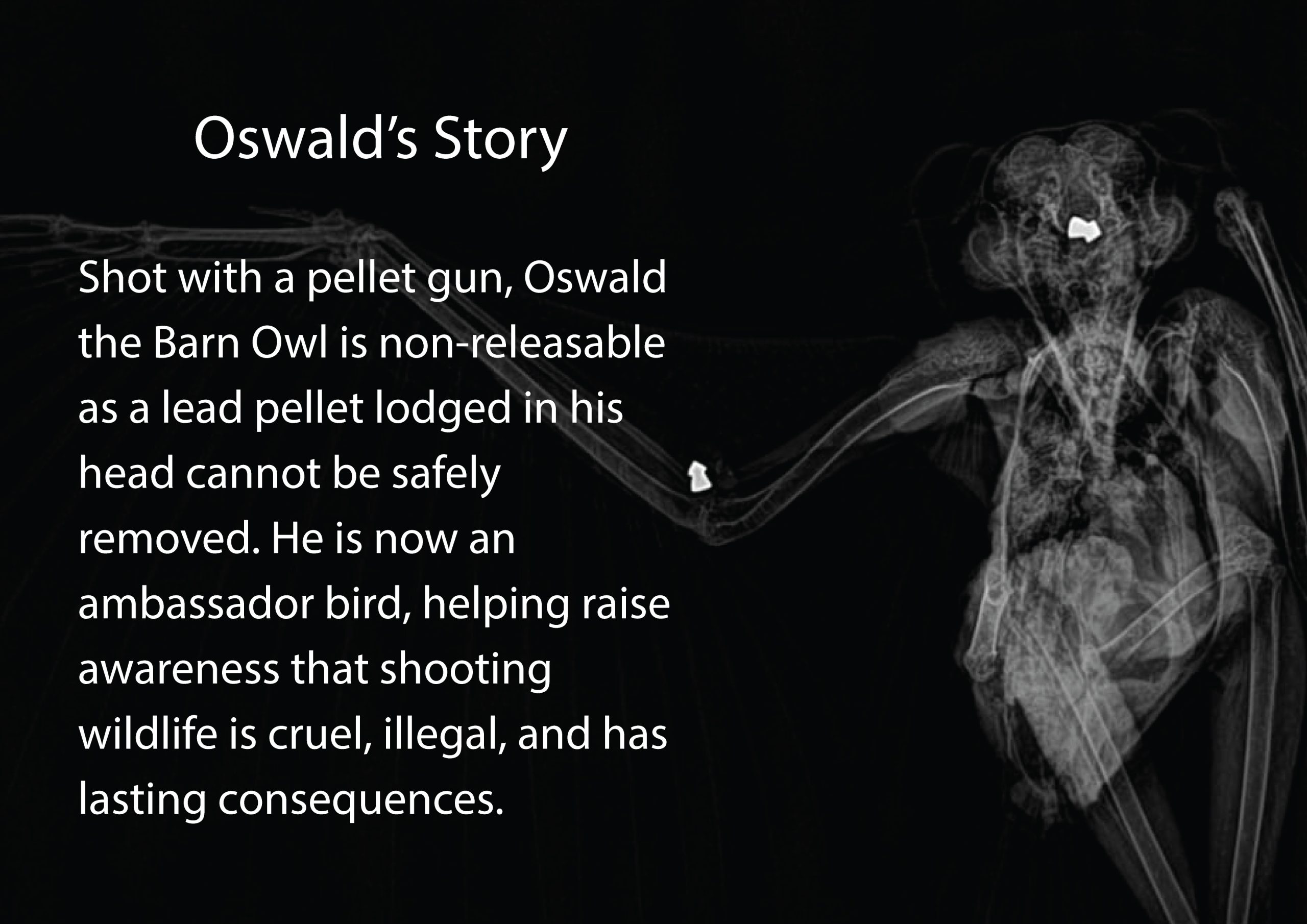
Despite their adaptability, Peregrine Falcons face ongoing threats from human activity, including collisions with buildings, wind turbines, and power lines. Historically, they were driven close to extinction in many parts of the world due to the widespread use of harmful pesticides, which caused breeding failure and population crashes. Thanks to intensive rehabilitation efforts, conservation programmes, and the work of falconers, Peregrine Falcons have made a remarkable recovery and now maintain more stable populations. Protecting nesting sites, reducing chemical use, and supporting raptor-safe infrastructure remain essential to ensuring the long-term survival of these incredible birds.