Rescue, rehabilitation & release
Raptor Rescue Plettenberg Bay is dedicated to providing the highest standard of care, treatment, and on-site rehabilitation for birds of prey. We work closely with professional veterinarians and conservation specialists to ensure ethical, science-based practices at every stage of recovery. Our mission is to return as many birds as possible to their natural habitats, where they can breed and contribute to strengthening wild raptor populations. We are fully permitted through CapeNature to rehabilitate and release all terrestrial indigenous birds, with a focus on raptors, and we are proudly accredited by the National Council of SPCAs (NSPCA).
Does the animal need help?
If you notice any of the following signs, the animal likely needs urgent assistance:
-
Visibly bleeding or limping
-
Unable to run or fly away when approached
-
Tangled in fishing line, power cables, netting, or other debris
-
Unconscious or unresponsive
-
Very young, with no parents or nest in sight
-
In immediate danger (such as on a busy road or near pets)
Wild animals often hide signs of injury, so if something doesn’t look right, trust your instincts. Please do not attempt to treat or feed the animal yourself, as improper handling can cause further harm.
Call us immediately so we can advise you on the best course of action. Your quick response could save a life.
Wildlife rescues
If we’re unable to answer your call immediately, please send us a WhatsApp message with your name, a clear photo of the animal in distress, and your pin location. We will get back to you as soon as possible.
As a small, dedicated team, we often wear many hats, from rescues and transport to veterinary visits, rehabilitation, education and fundraising. This means we’re sometimes out in the field or assisting another emergency. If you can’t reach us right away, please leave a WhatsApp message or visit our contact page for alternative numbers who may be able to assist you promptly.
OUR REHABILITATION FACILITIES
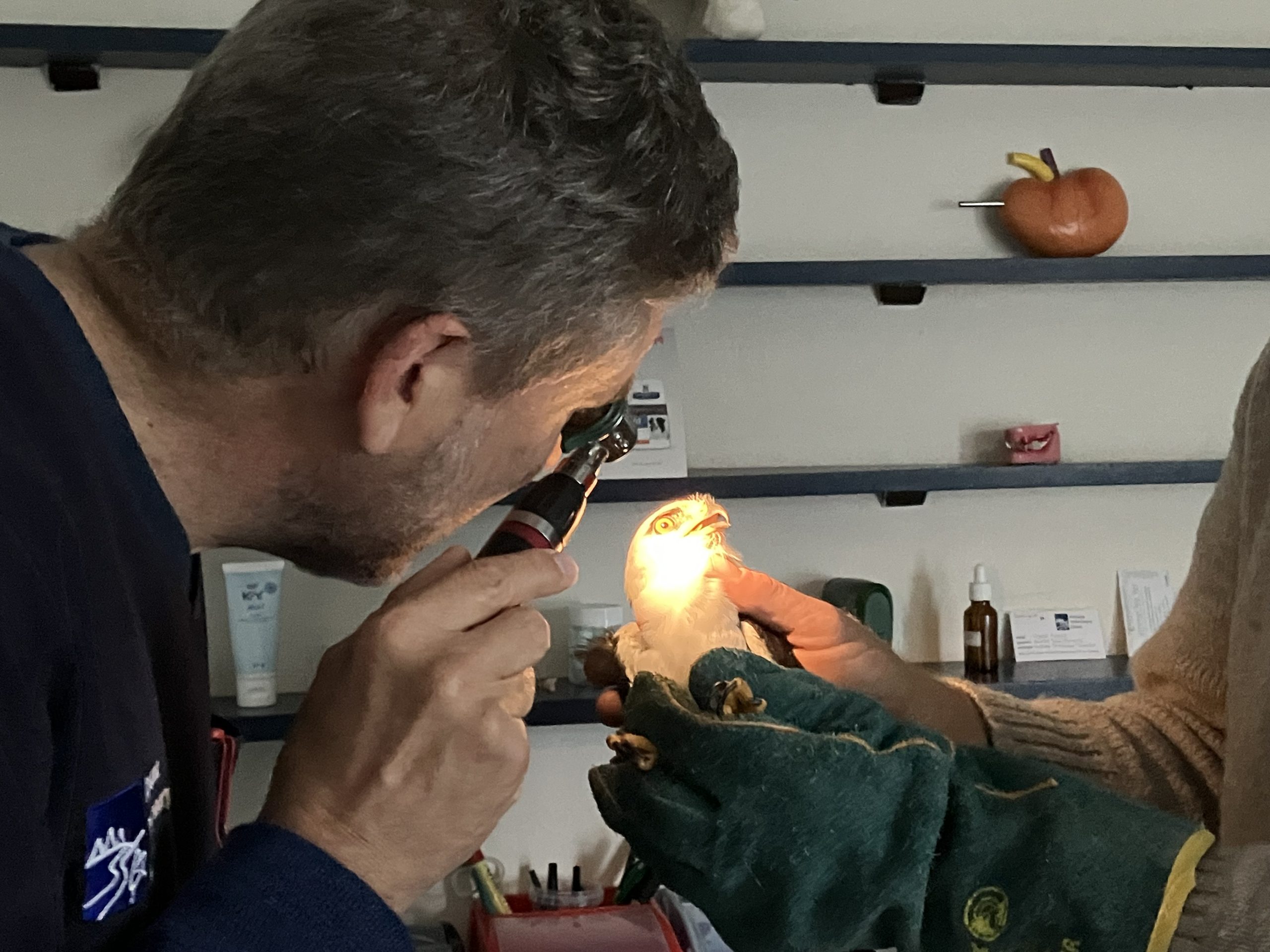
REGISTERED VETERINARY SUPPORT
Raptor Rescue Plettenberg Bay works closely with registered veterinary professionals to ensure the highest standard of care and regulatory compliance. Our primary veterinary partner, Knysna Veterinary Clinic, has supported our raptor care since our founding, with Dr. Rolf Lamprecht and the clinic’s veterinary team actively assisting with cases.
We also work closely with Robberg Veterinary Clinic, including veterinary nurse Hanlie le Roux, for additional expert support. In an emergency, if you cannot reach us directly, please contact one of our trusted registered veterinary practices.
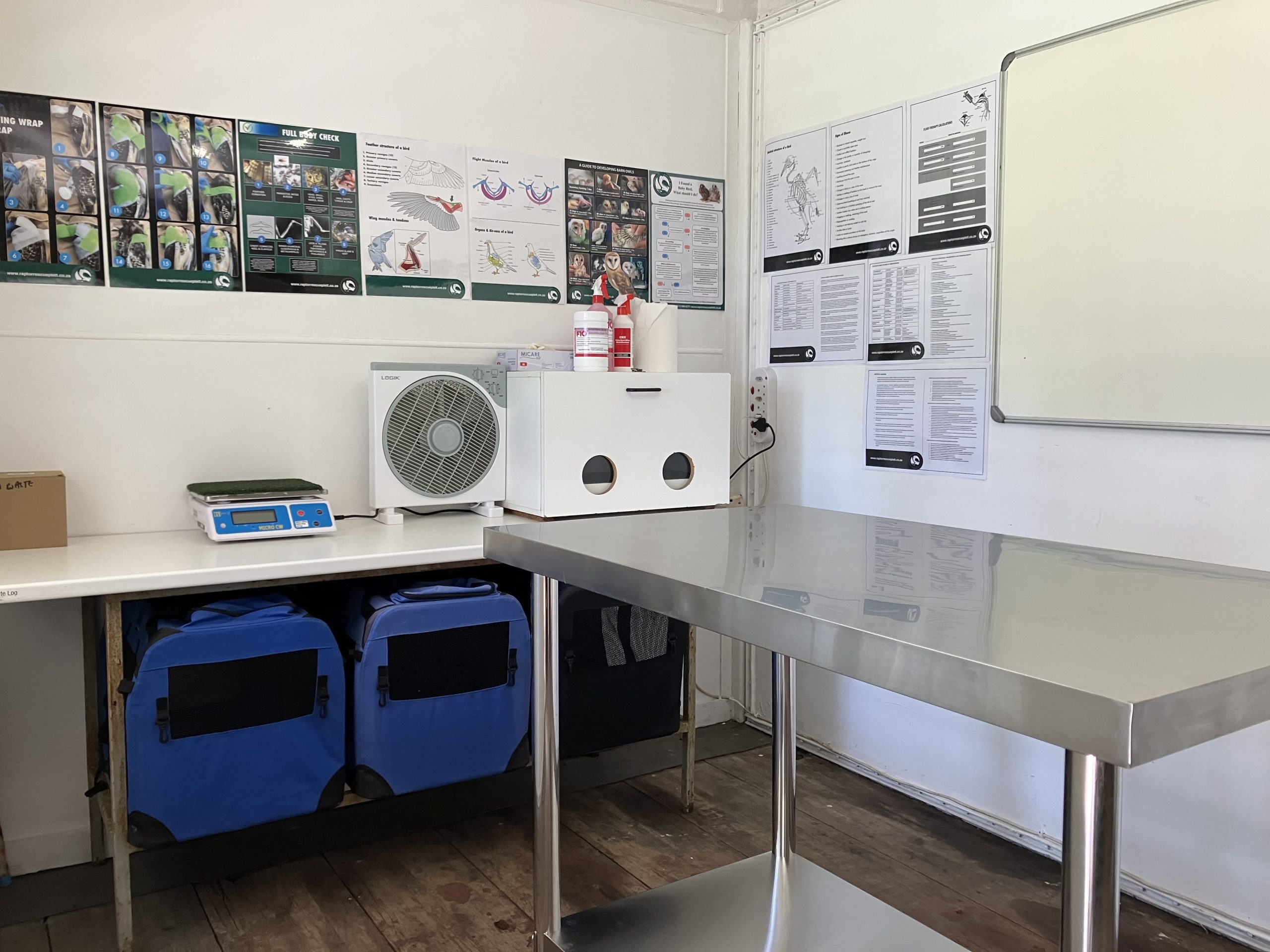
RAPTOR CRITICAL CARE
Our treatment room is a quiet, dedicated space where injured and critically ill raptors receive intensive care and close monitoring during the most vulnerable stages of recovery. Equipped with essential medical supplies and rehabilitation equipment, it allows us to stabilise, treat and support each bird while minimising stress and giving them the best possible chance of recovery and release.
Our wish list includes the medical supplies, rehabilitation equipment and essential care items used every day in this space. By purchasing directly from the list, you provide practical, immediate support that directly contributes to the wellbeing, treatment and rehabilitation of our patients.
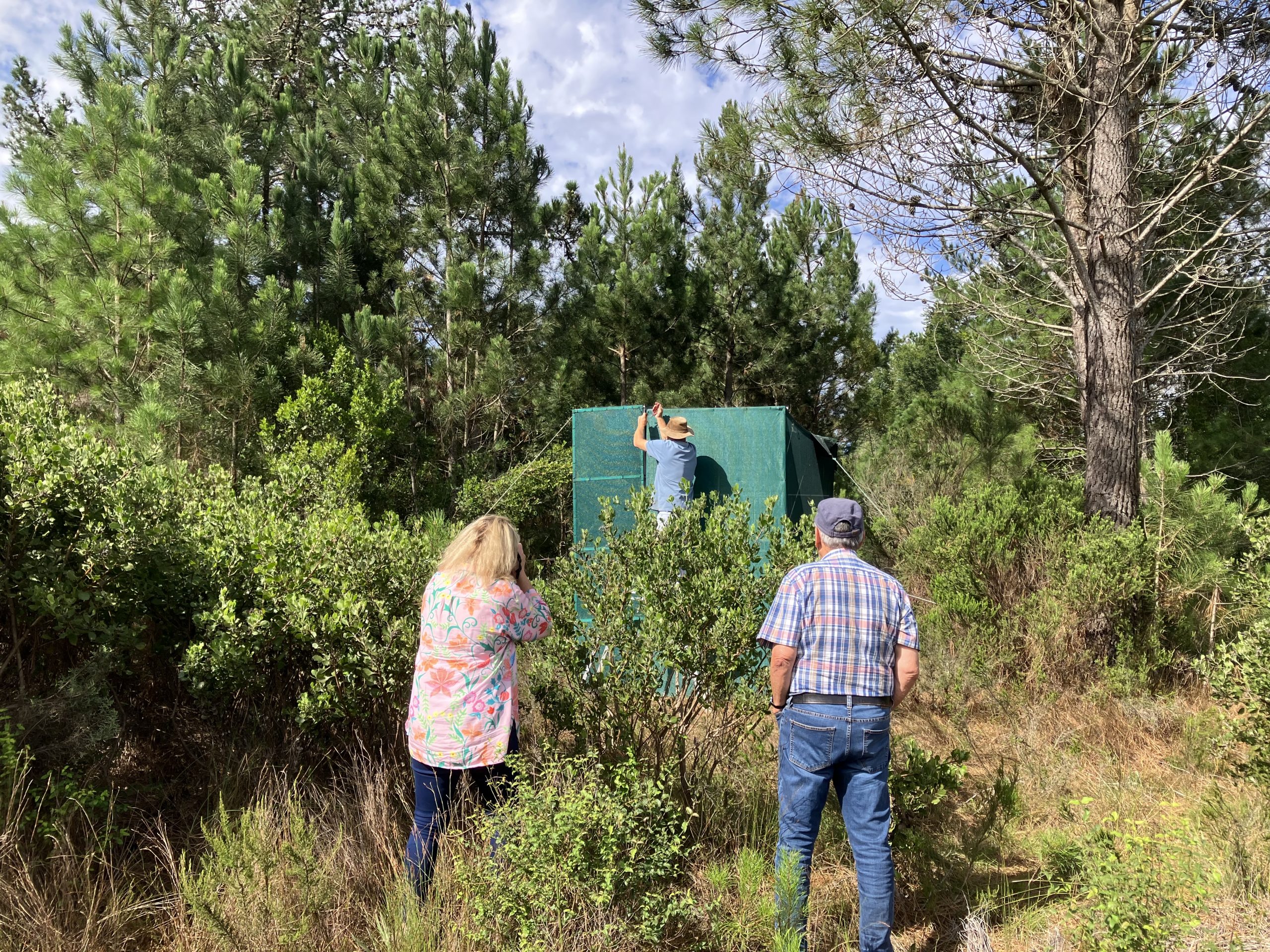
PRE-RELEASE & FLIGHT CONDITIONING
Our pre-release facilities help recovering raptors build the strength, confidence and skills they need to return to the wild. We have nine outdoor aviaries of varying sizes, allowing birds to progress through rehabilitation at their own pace.
Before release, birds are assessed in our 30-metre flight tunnel to test their flight, stamina, manoeuvrability and overall fitness. For young birds that still need support feeding, our portable hack release pen, generously sponsored by BirdLife Plettenberg Bay, allows for a gradual release until they are strong enough to fend for themselves.

POST RELEASE MONOTORING
Prior to release, all birds are fitted with SAFRING identification rings in order to gather valuable post-release feedback and monitoring data. Ringing is carried out by our Conservation Director and partner, Dr Mark Brown of Conserve Eden, ensuring that each bird contributes to ongoing conservation research and a better understanding of wild raptor populations.
THANK YOU FOR YOUR SUPPORT



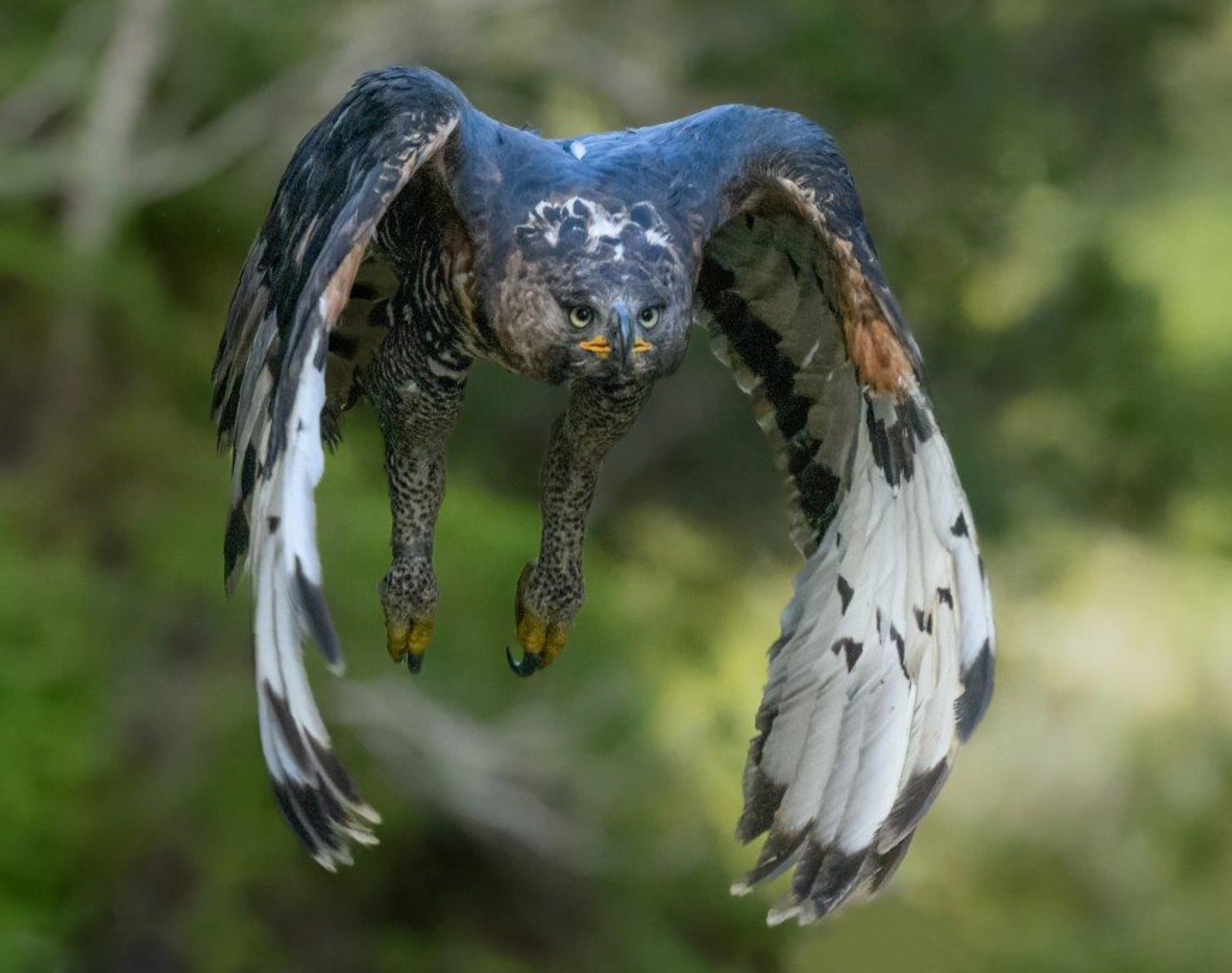
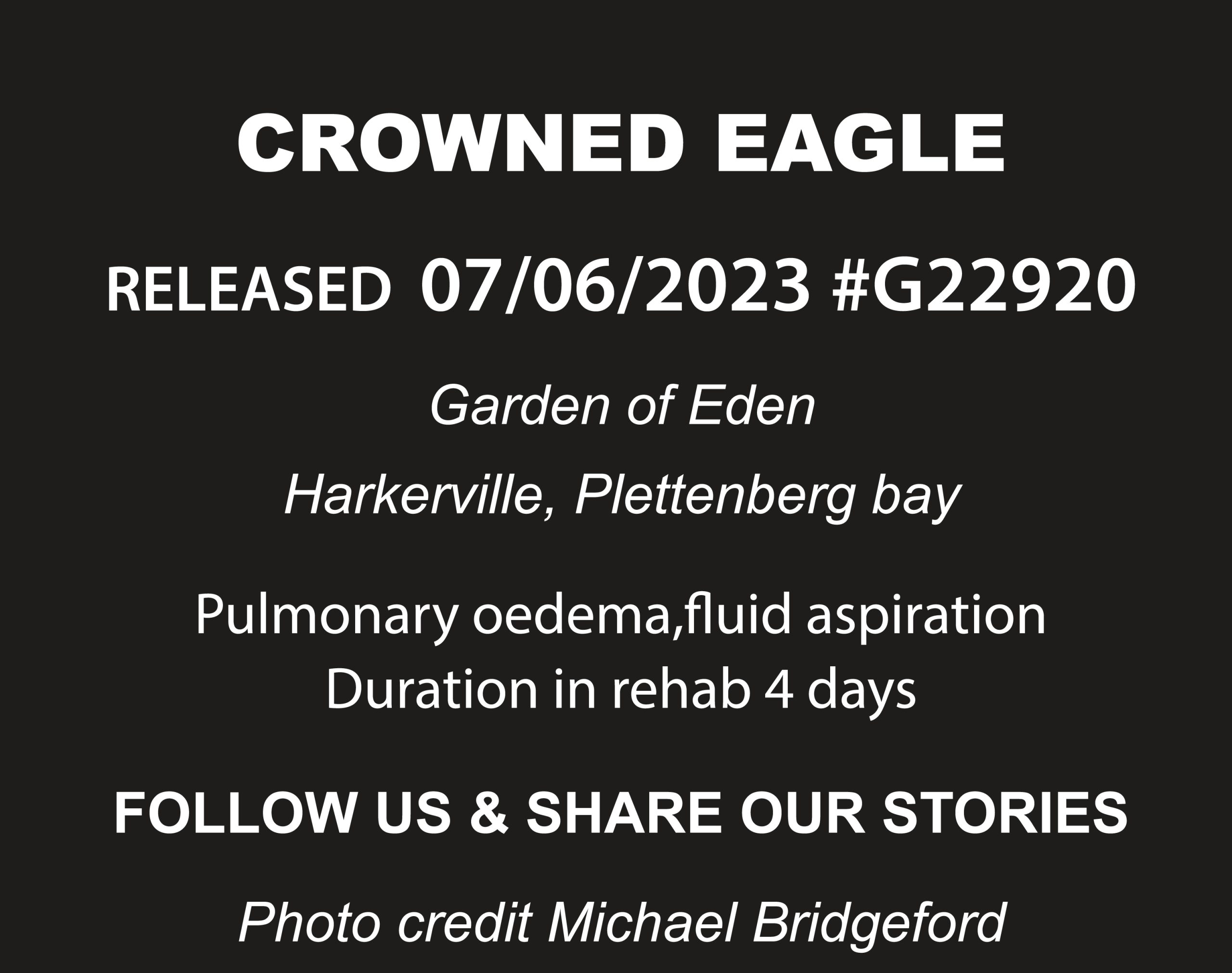
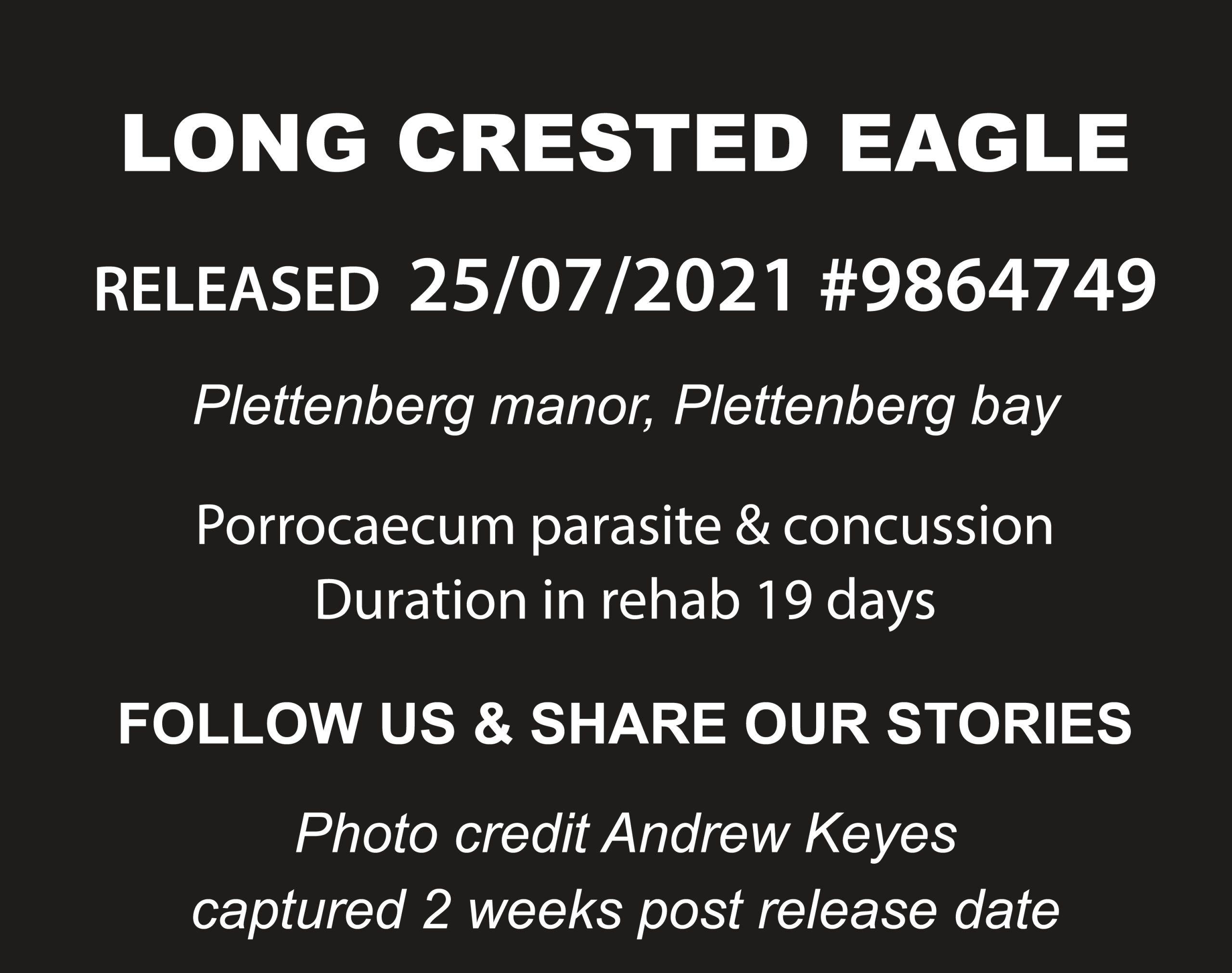
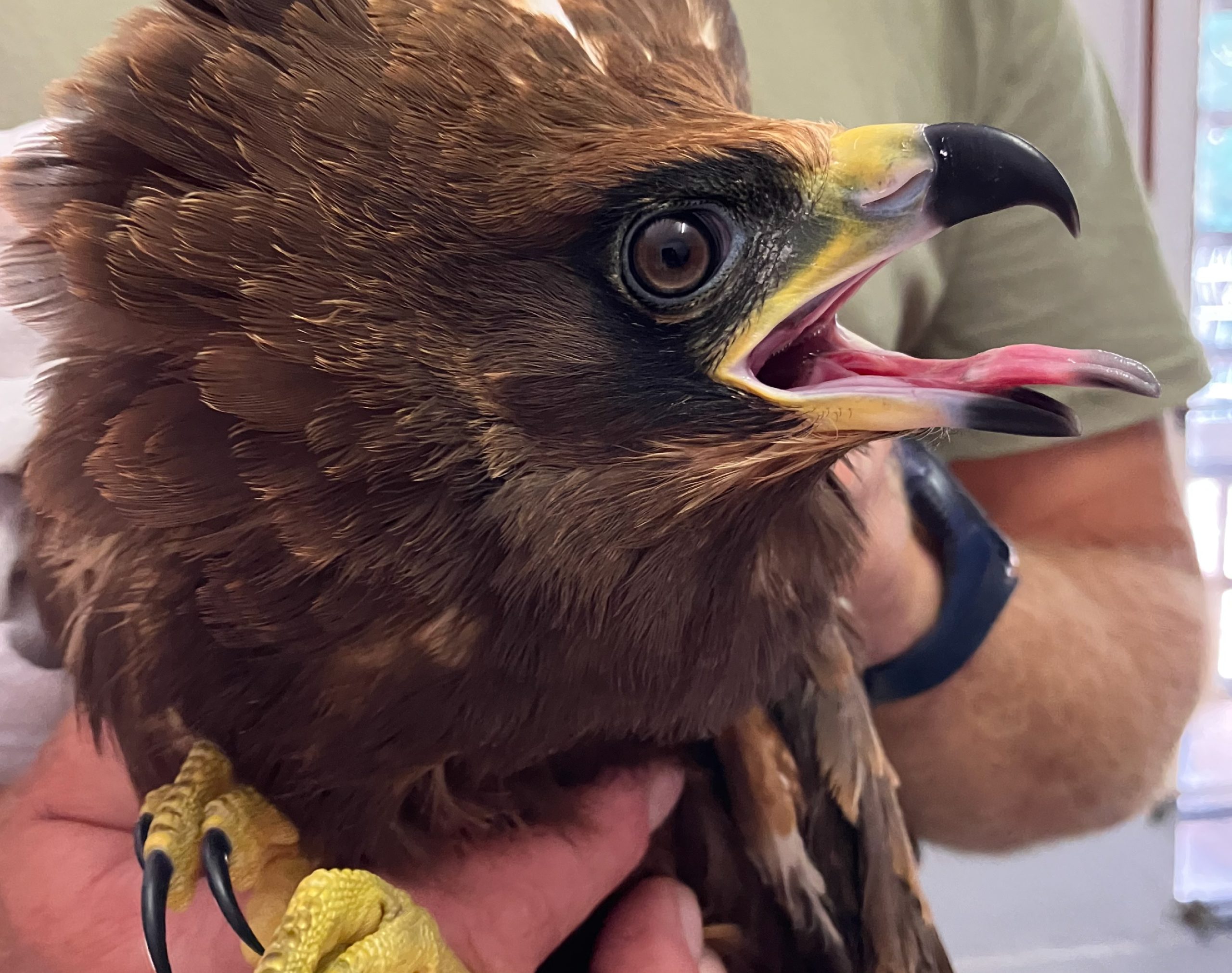
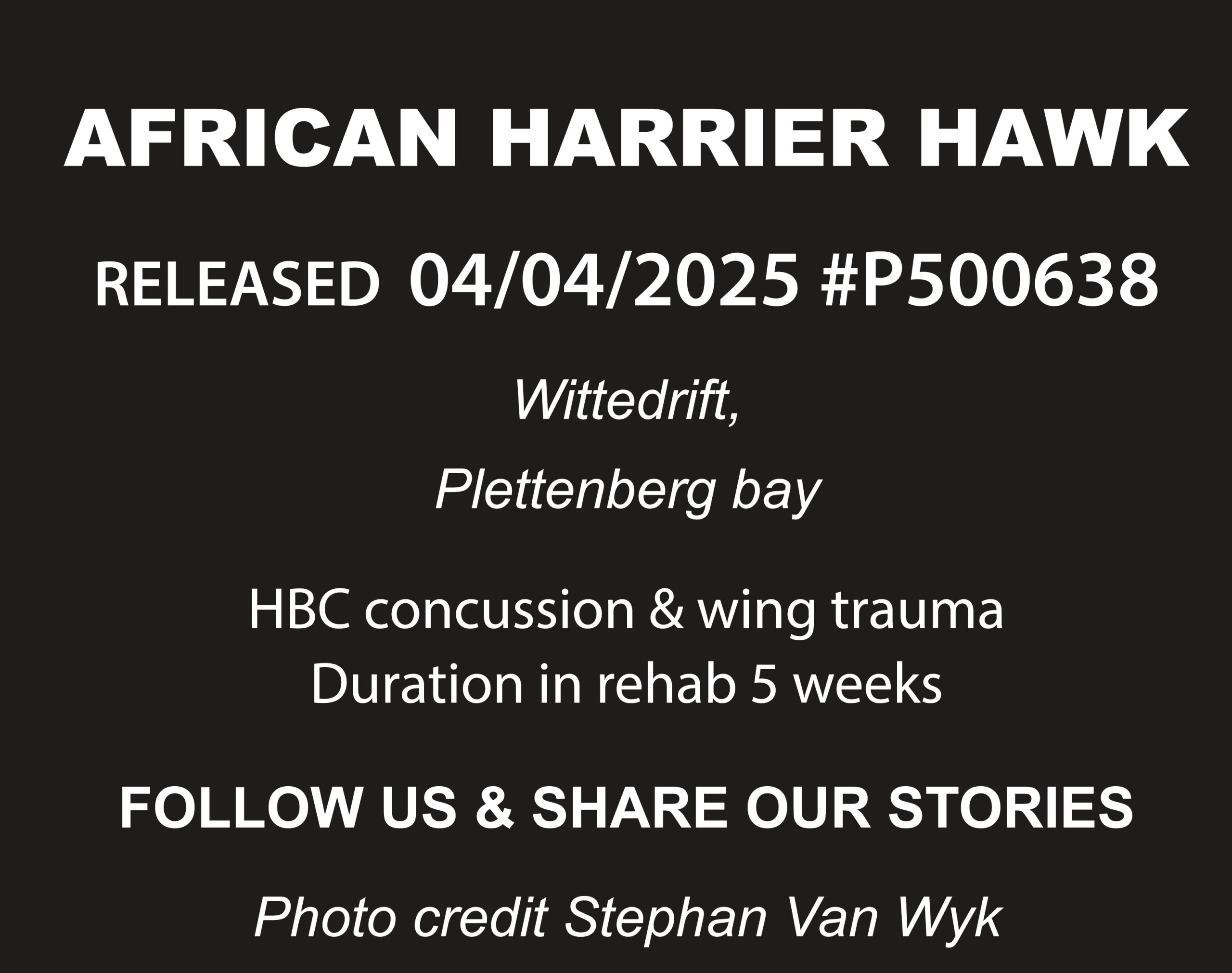
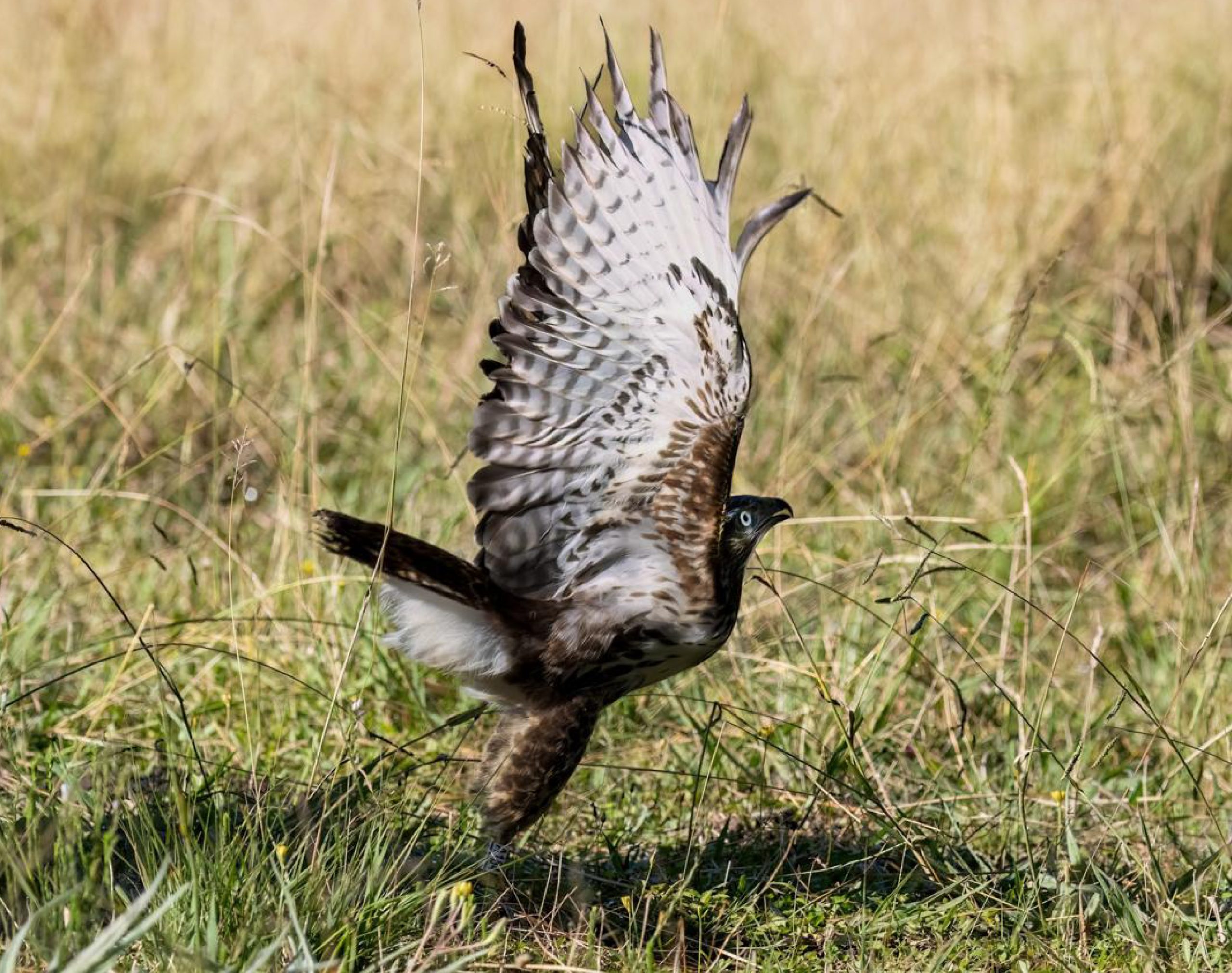
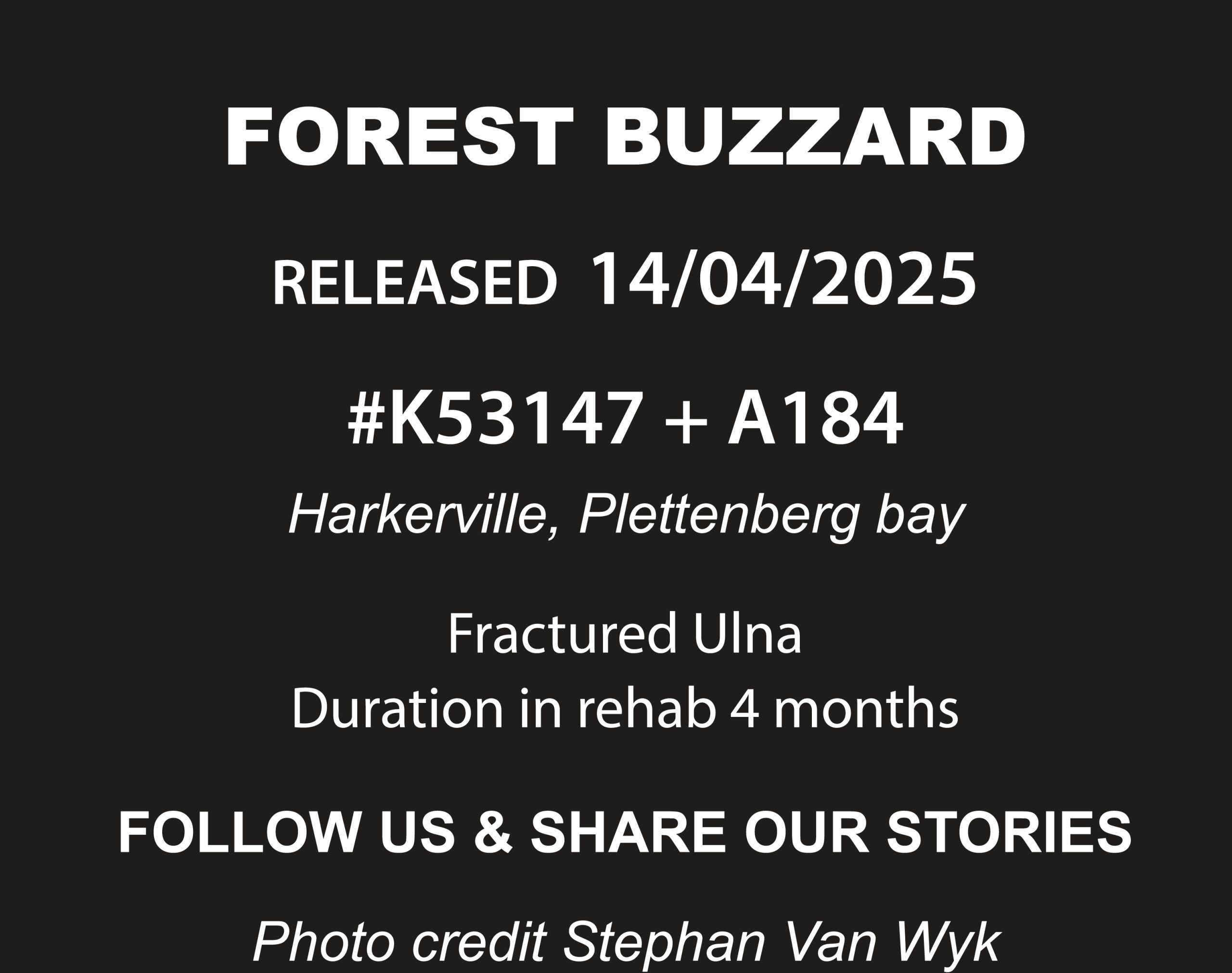
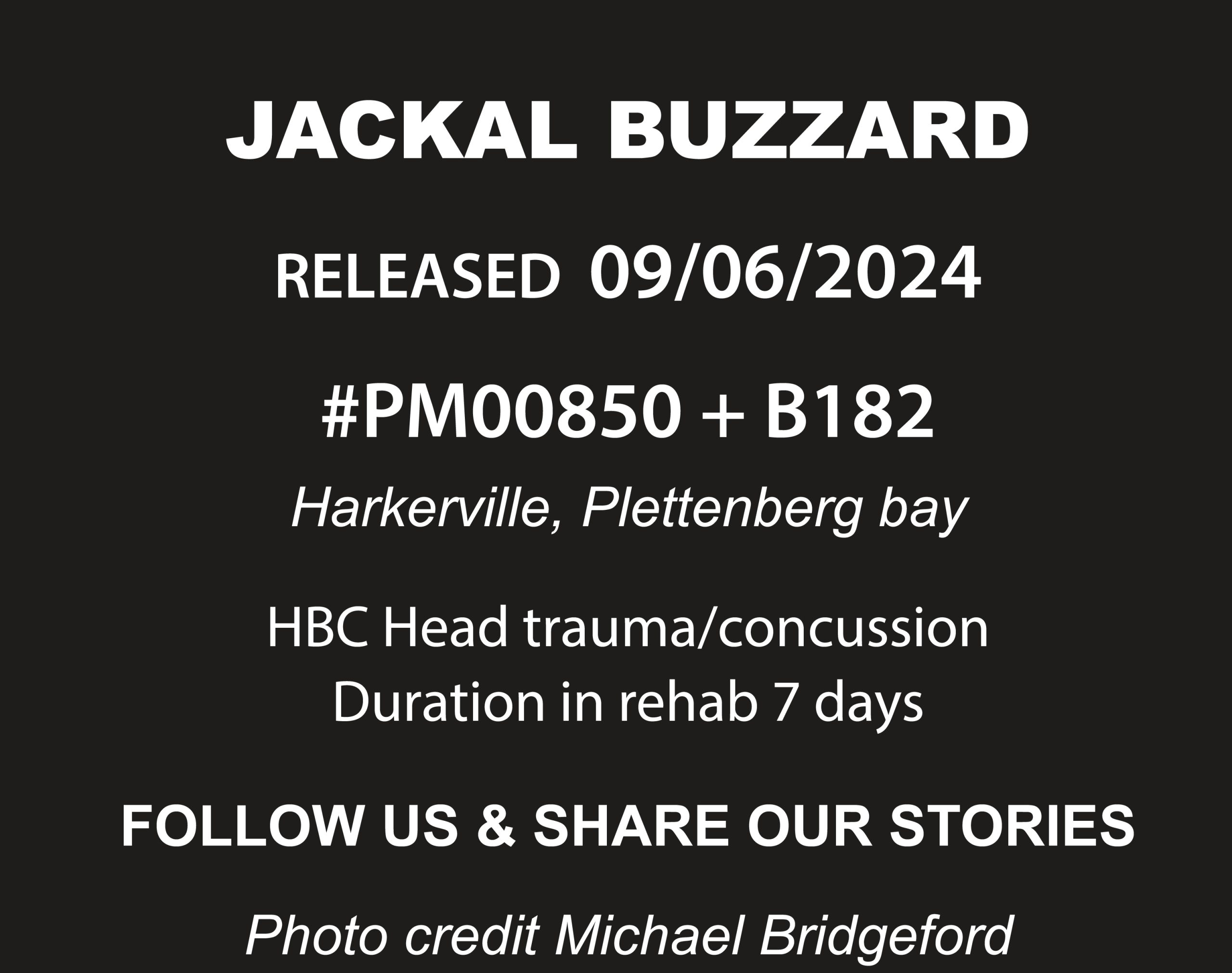
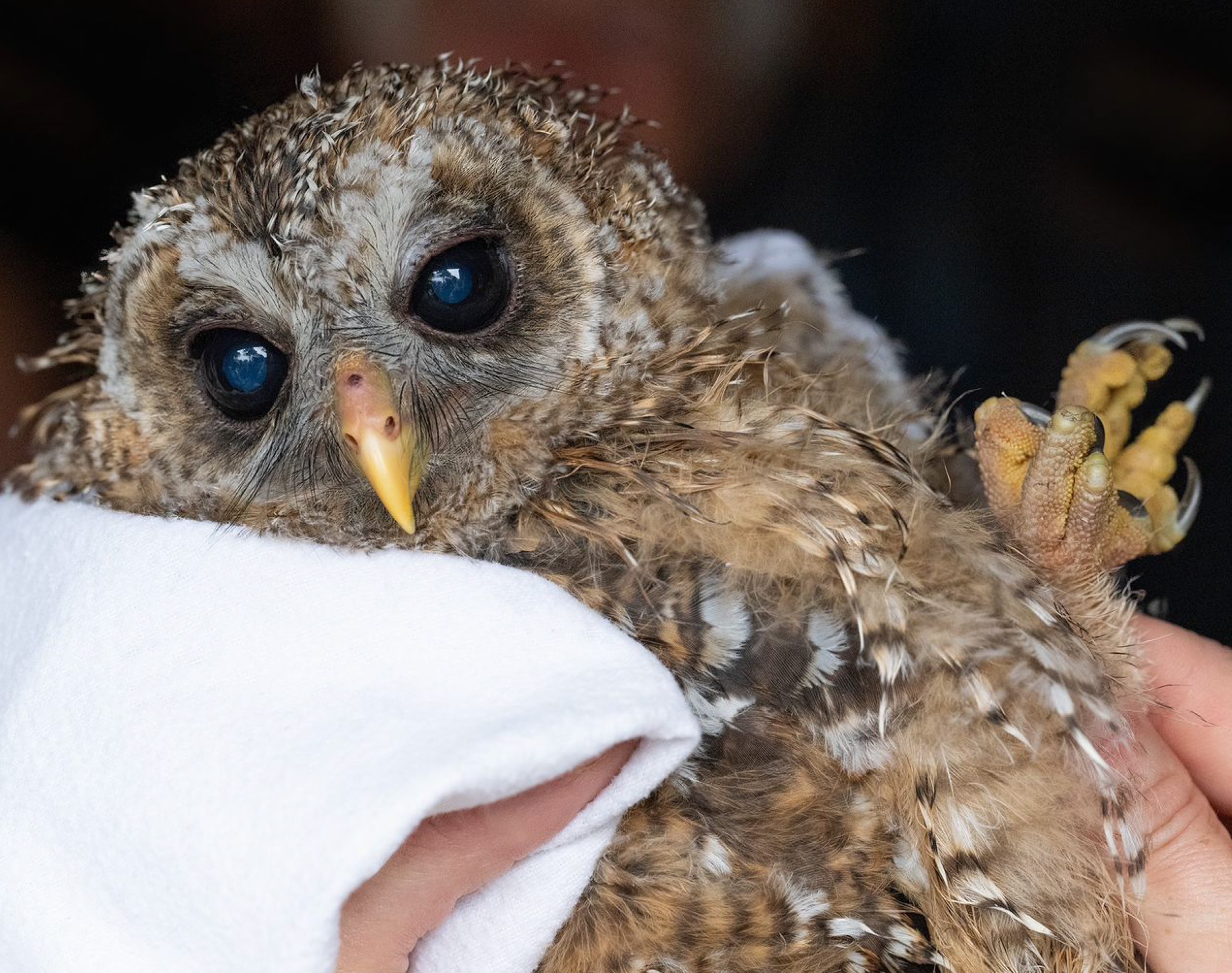
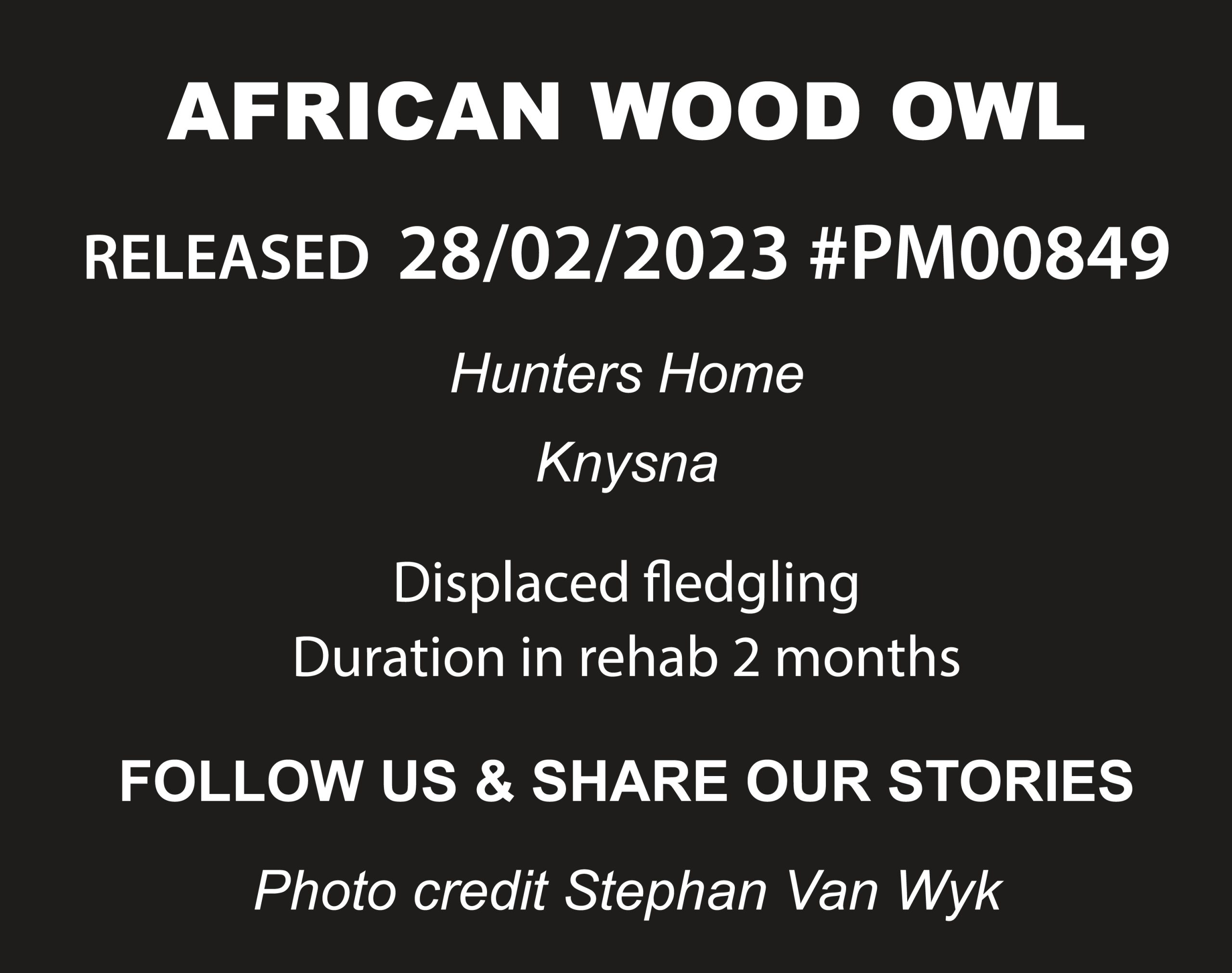
Succesful releases

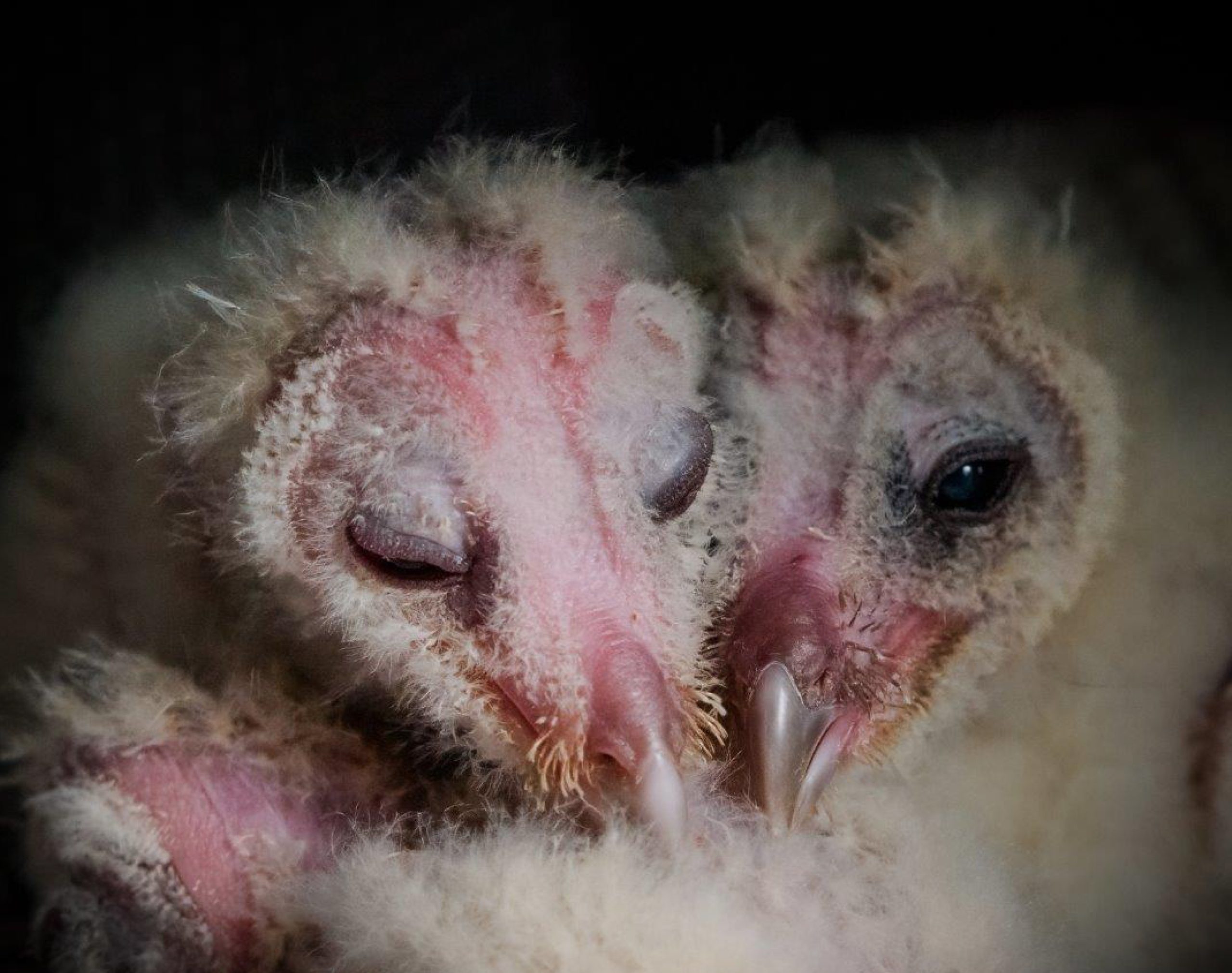
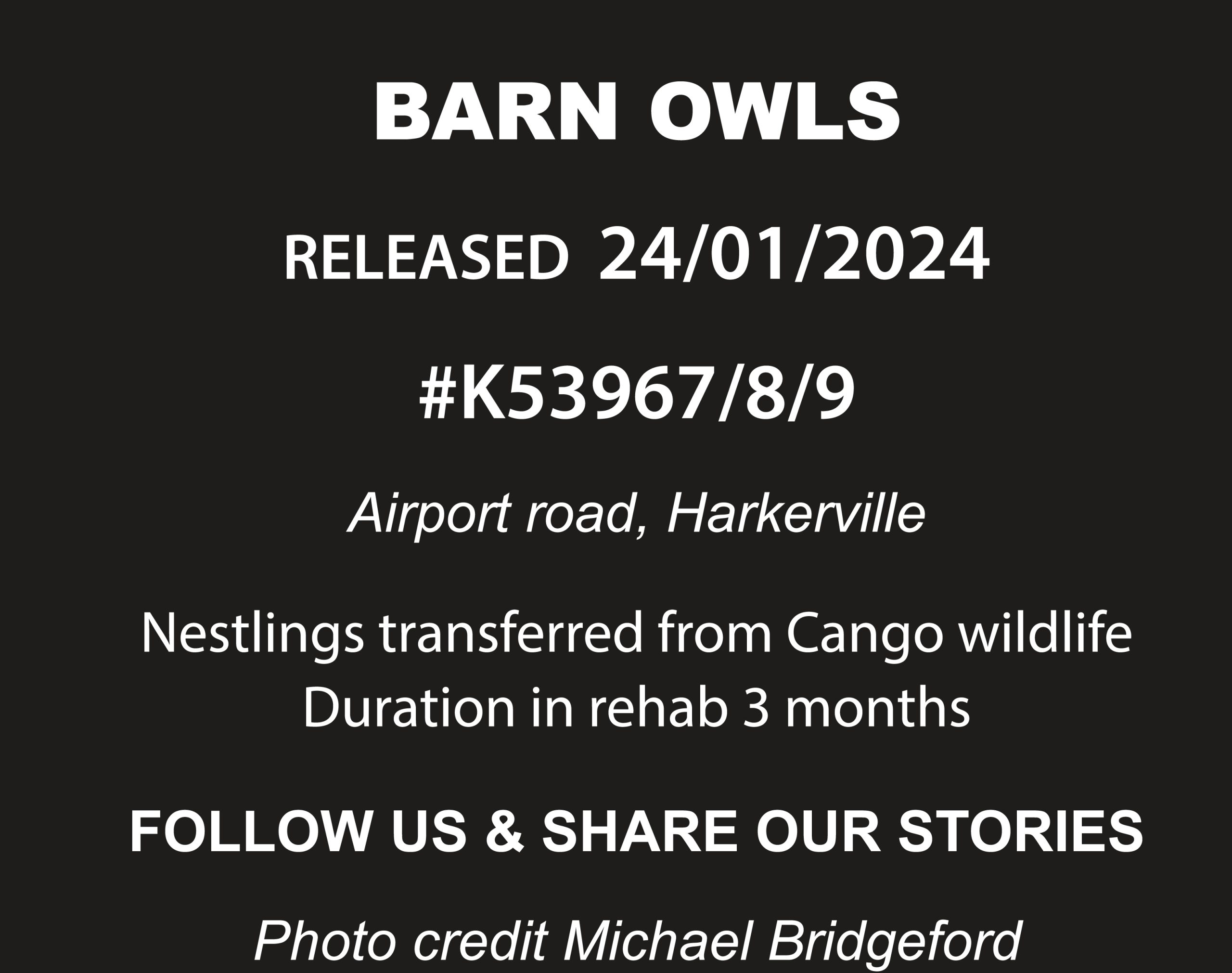
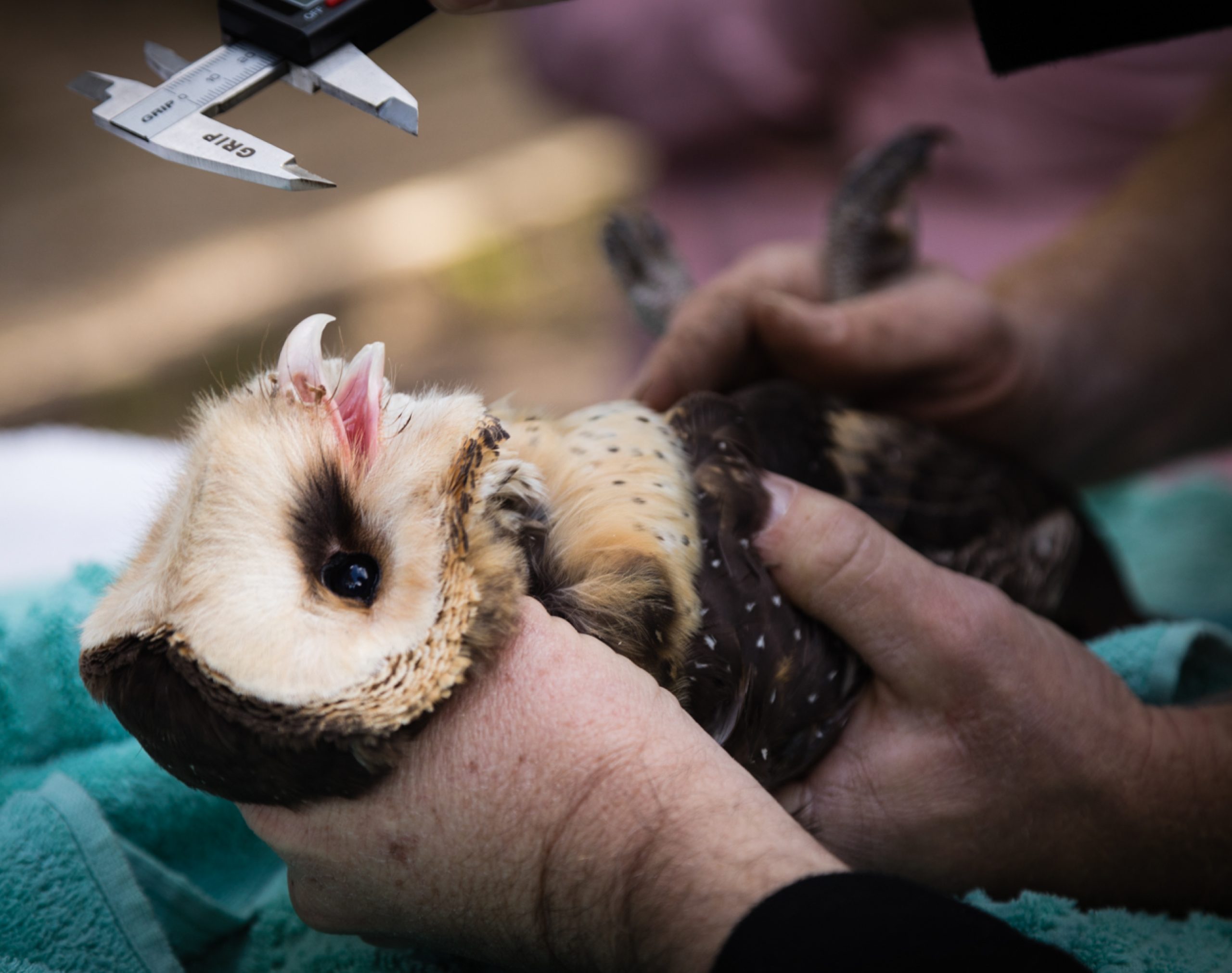
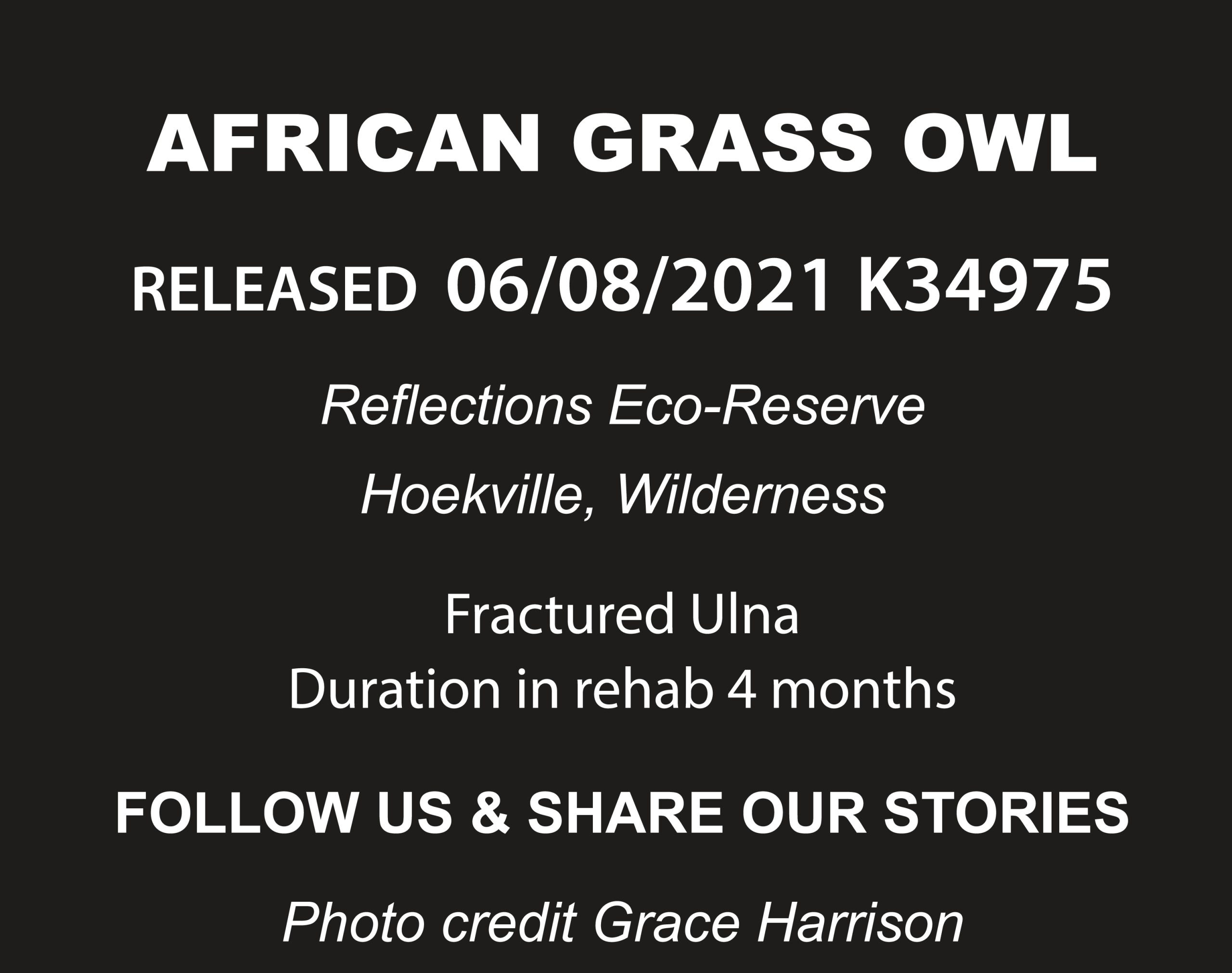
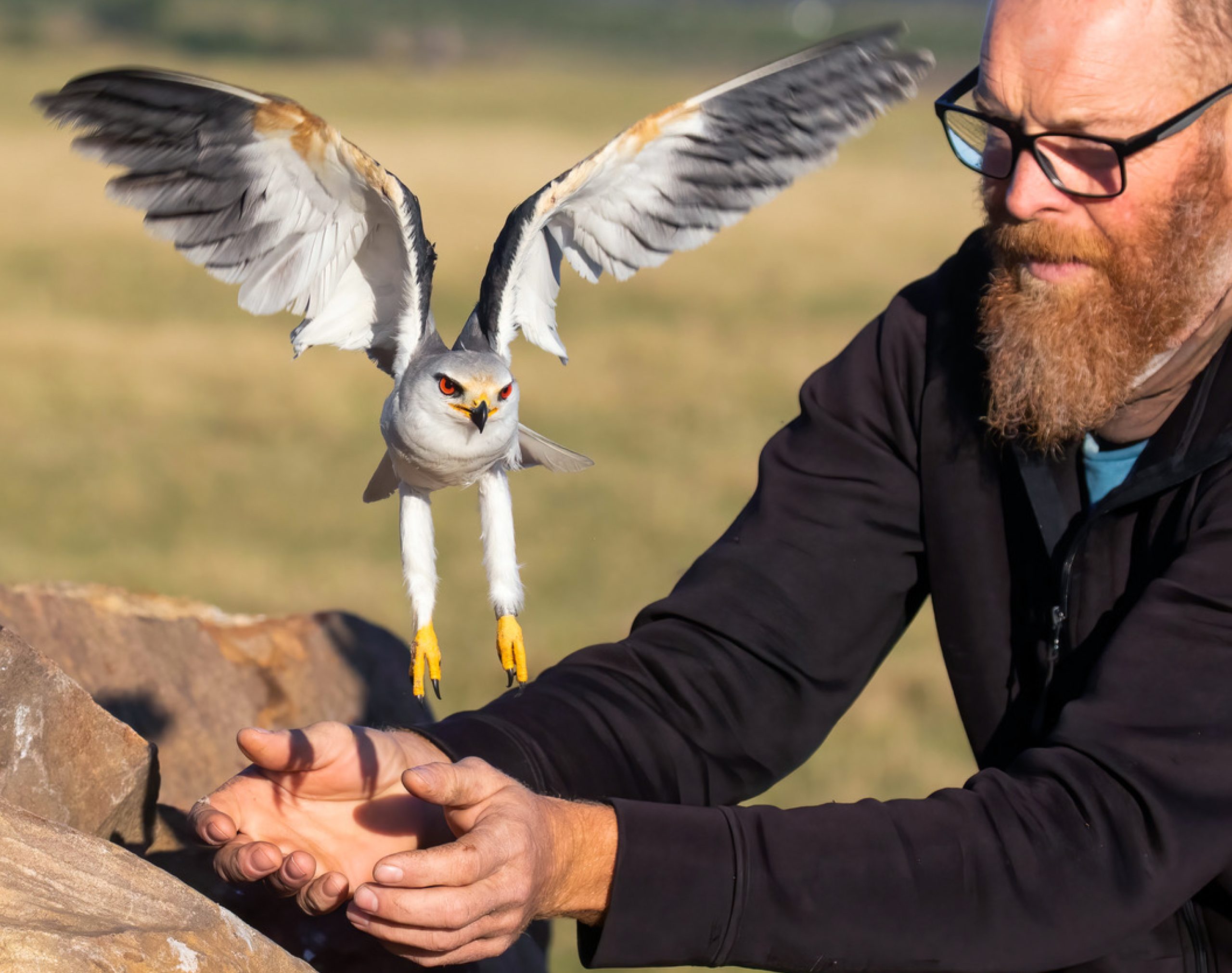
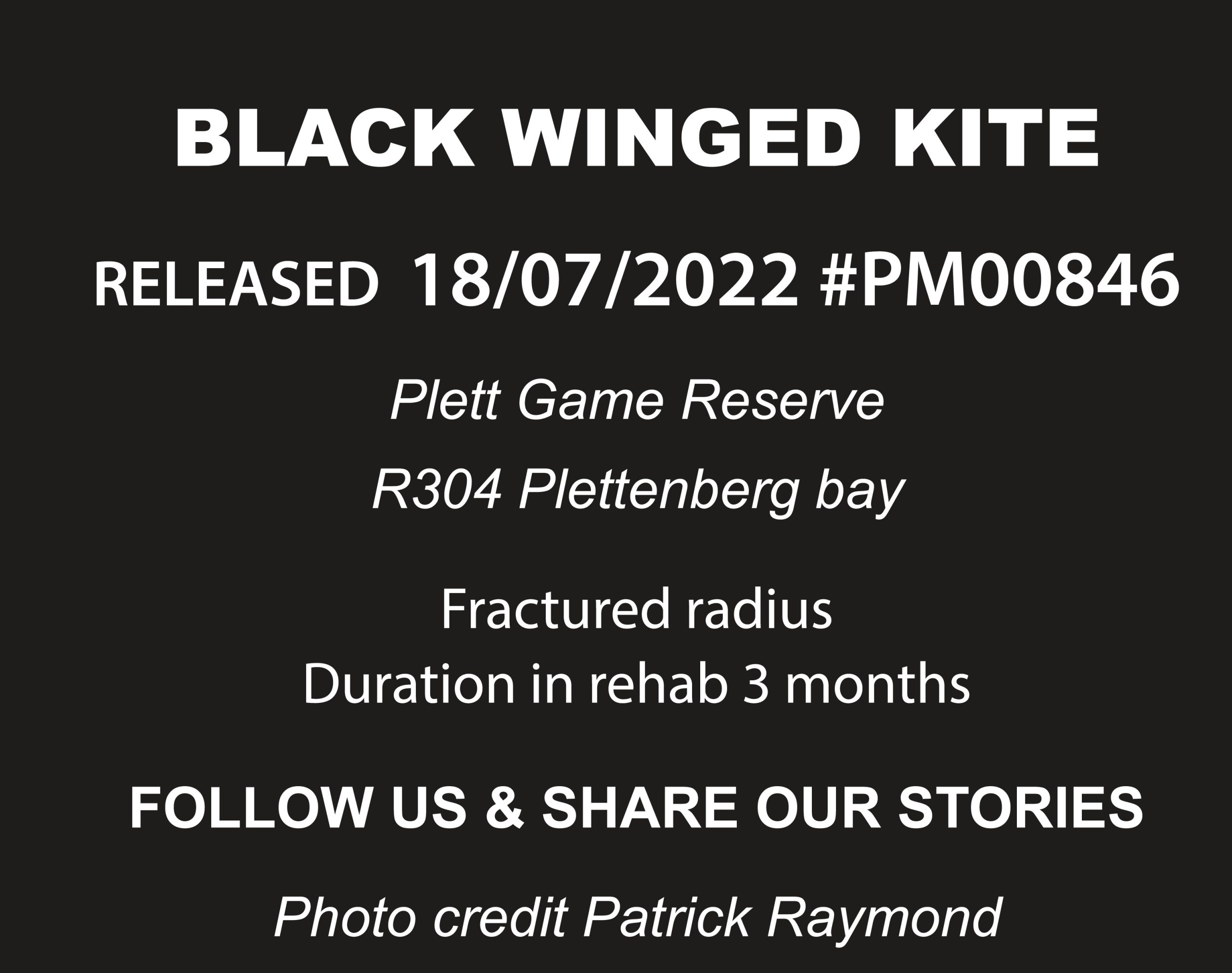
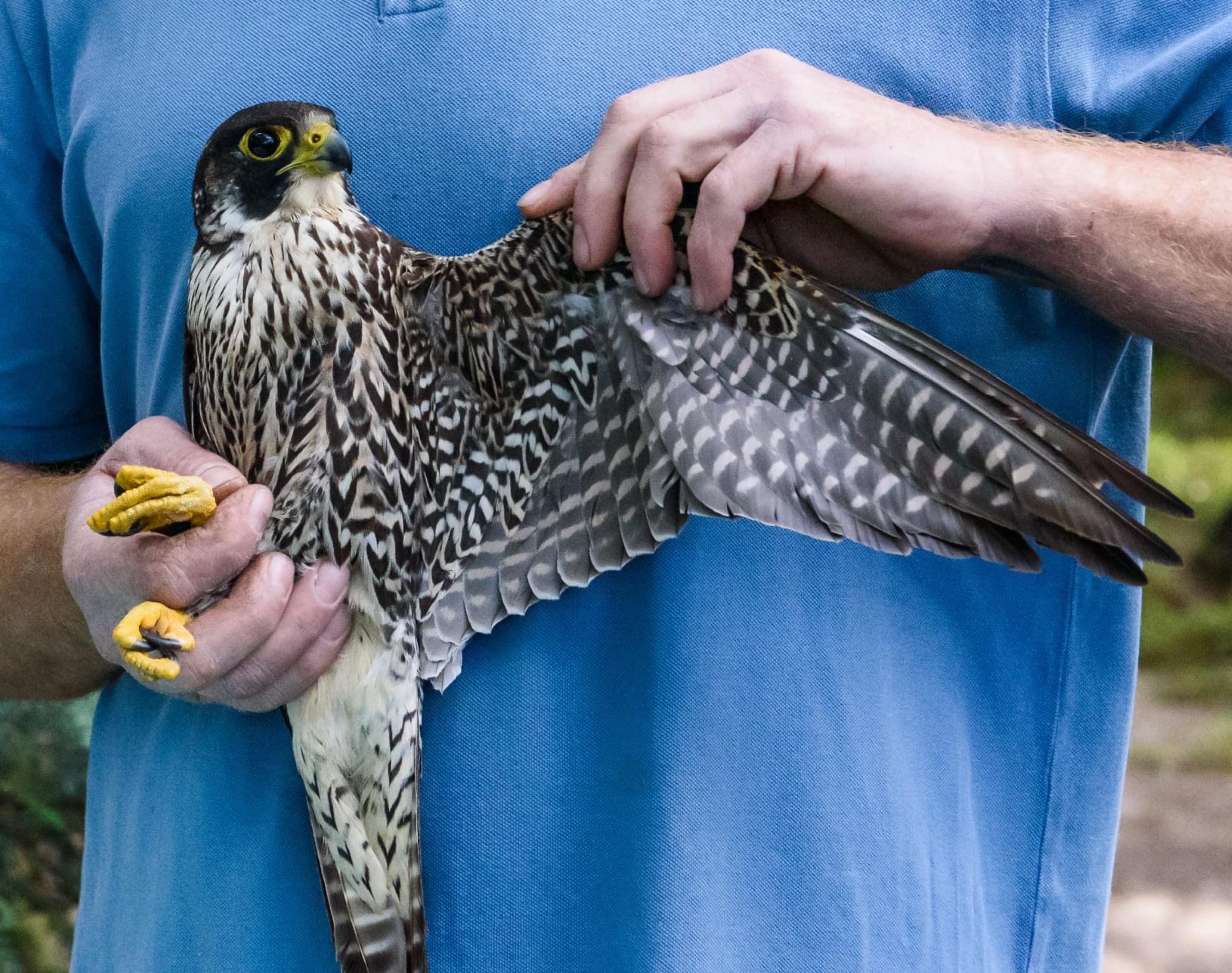
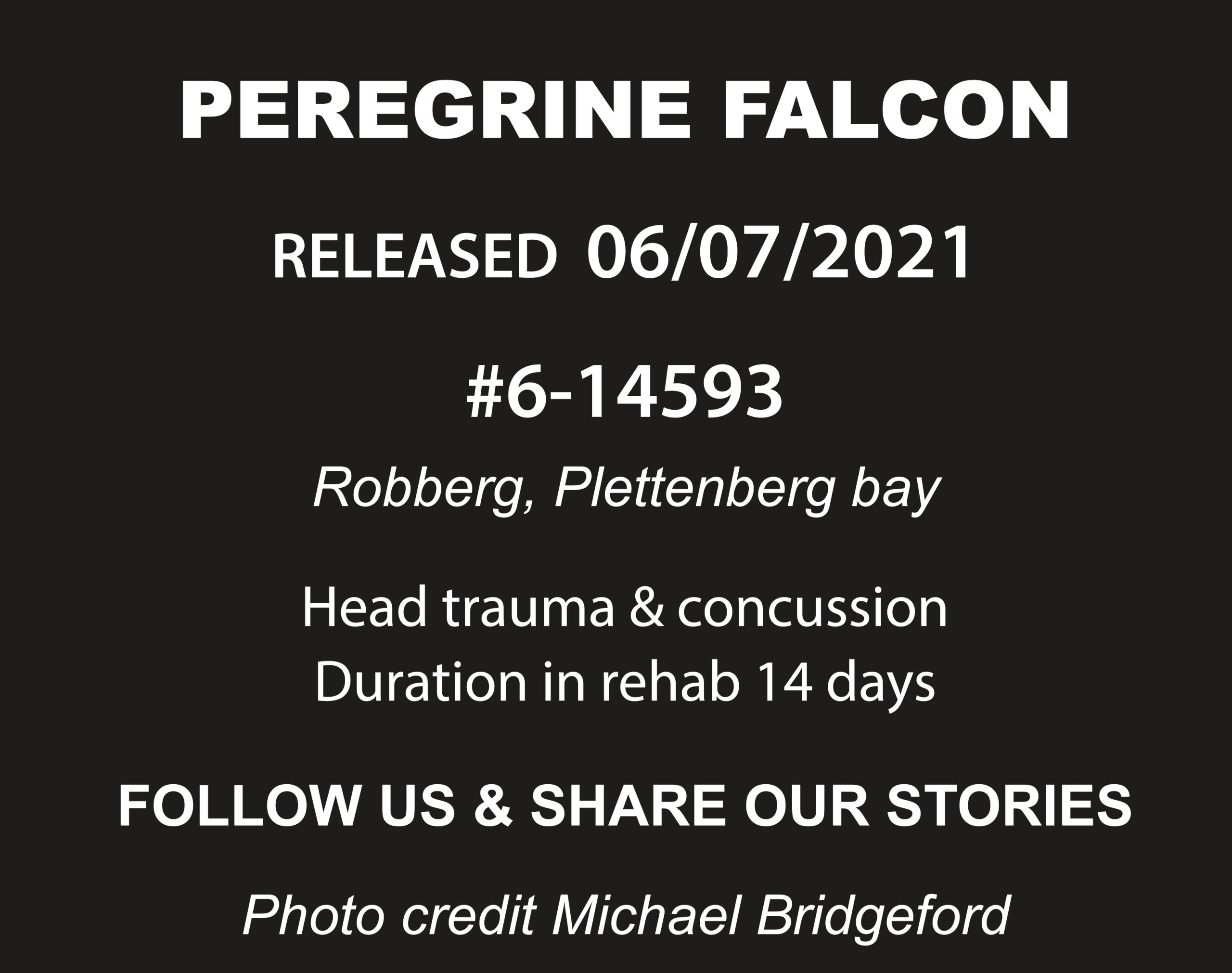
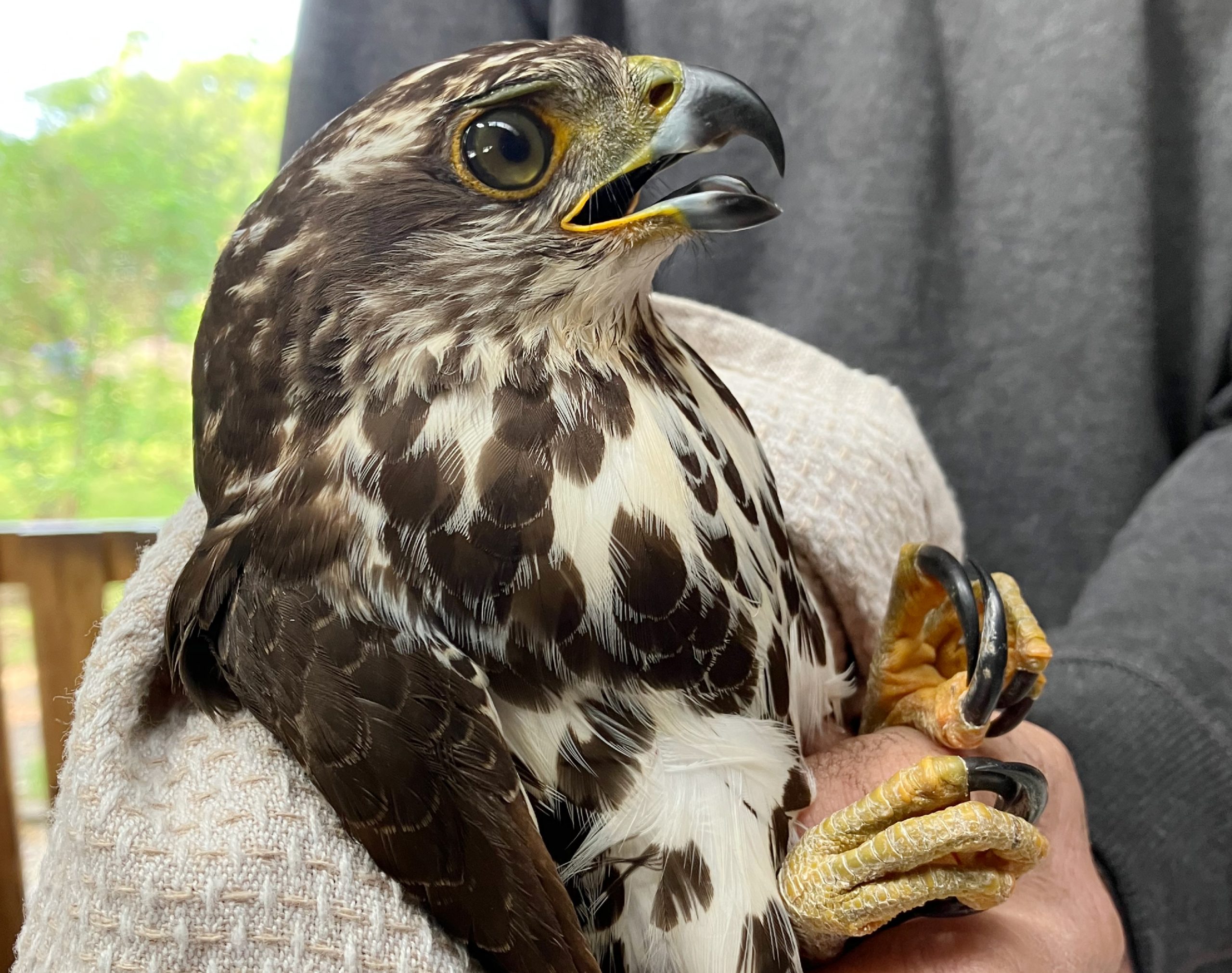
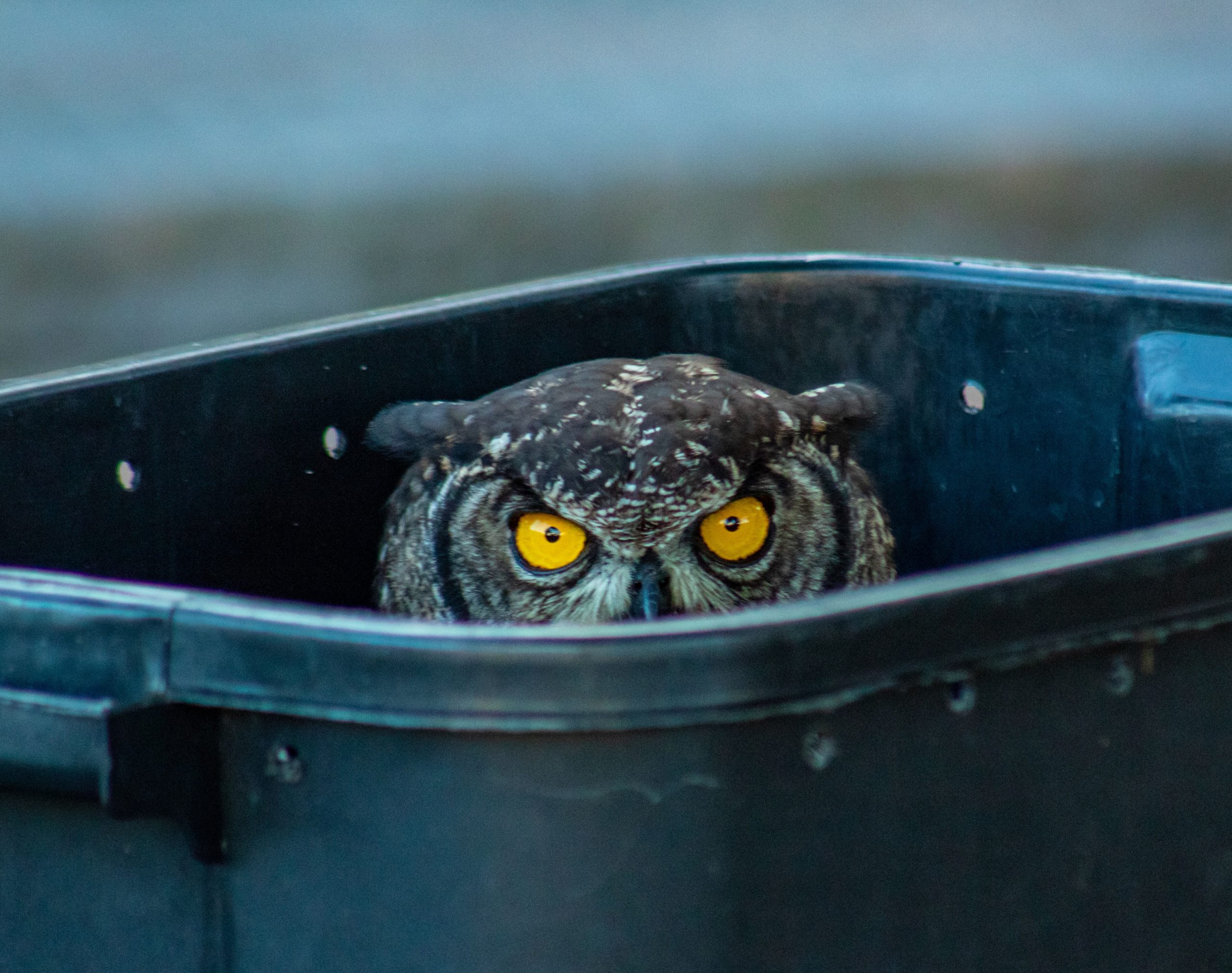

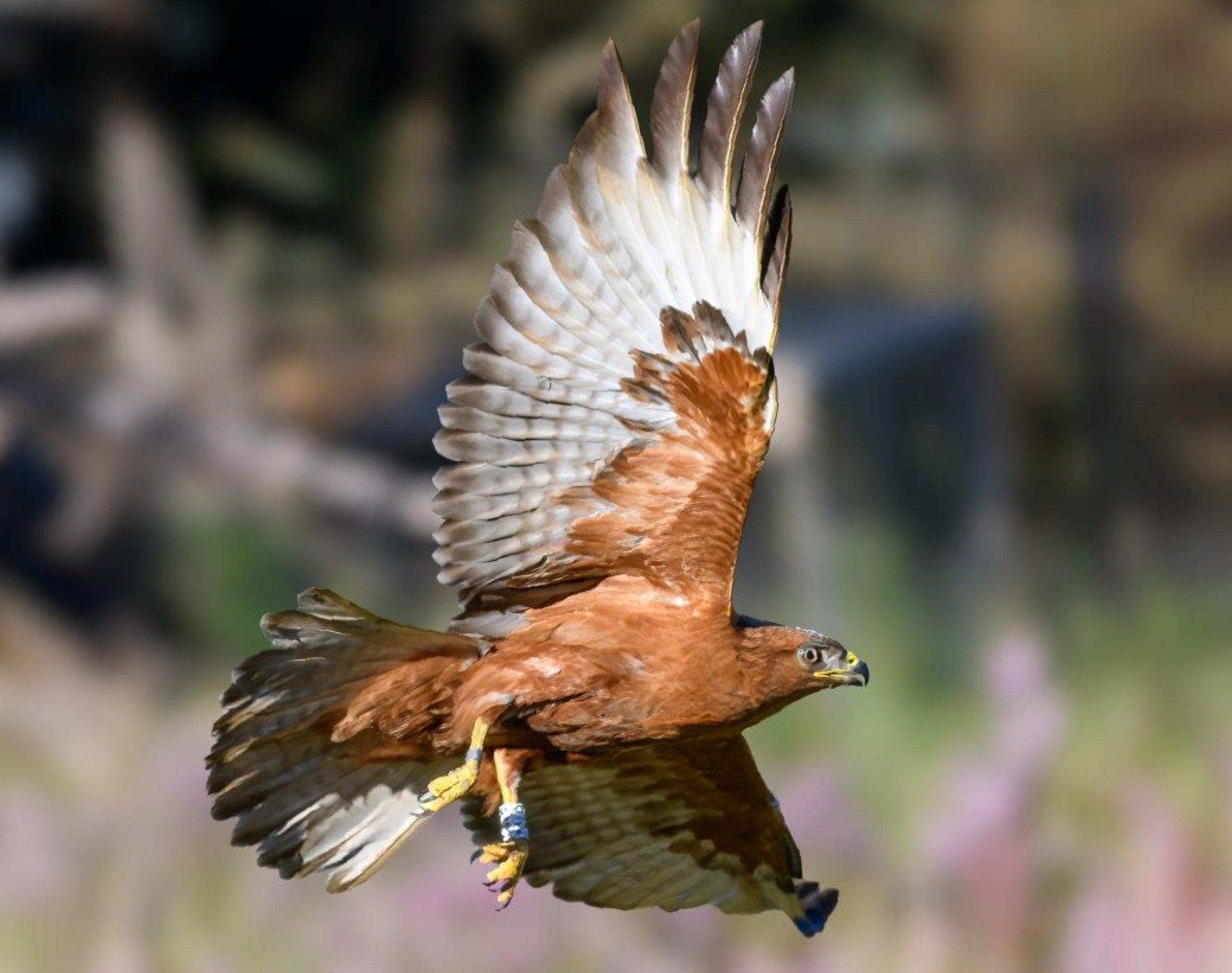
PERMITS & LICENCES
PERMIT TO KEEP WILD ANIMALS IN CAPTIVITY FOR REHABILITATION PURPOSES


PAPA LICENCE PAL/08/802/037
The Performing Animals Protection Act No. 24 of 1935 (PAPA) enforces the annual licence applications for the use of animals for training and safeguarding within the industry. This licence is obtainable from the Department of Agriculture Land Reform and Rural Development (DALRRD).

NSPCA ACCREDITED FACILITY
PERMIT TO KEEP WILD ANIMALS IN CAPTIVITY FOR EDUCATION PURPOSES
What can you do to help?
Call a licensed wildlife rehabilitator immediately and follow their instructions;
- Approach the animal with caution. Remember, it does not know you are trying to help and will likely try to escape.
- Guard yourself against injury. Wear gloves and long sleeves if possible.
- Contain the animal in a clean, dry, covered box. Line the box with newspaper or an old towel (no holes or stringy edges). This will absorb any fluids and give the animal better footing.
- Protect the animal in a quiet, dark place, away from family or pets, preferably at a warm temperature. (Ways to keep animals gently warm: Adding a heat pack wrapped in a towel, placing half the box on a heating pad set to low, storing animal in a warm room. Be careful not to overheat animals in hot weather, especially birds!
- Resist the urge to peek in the box! This only adds to the animal’s stress.
- Transport the animal to a rehabilitation center as soon as possible! Don’t wait a couple of days or a week until it is convenient. If you aren’t available to transport right away, enlist a friend to help
-
Minimise direct contact with the animal, use gloves if you have them. If the animal is on the ground, toss a jacket or blanket over it and use this to gather it up. This will immobilise the animal, remove visual stressors, and help protect you from being scratched or bitten.
Please don’t
- Offer food or fluids. This can kill the animal!
- Keep the animal any longer than is absolutely necessary. Get it to a wildlife hospital.
-
Handle the animal after it is safely contained.
-
Try to administer medical treatment (applying tourniquets, immobilising fractures, etc.)
-
A wild animal that is content to sit on your finger or in your hand is not being friendly; it is usually in shock and/or paralyzed with fear. Other signs of shock may include rapid breathing, vomiting, shivering, dilated pupils, and skin that is cold to the touch. Eliminating unnecessary stressors is the single best thing you, as a rescuer, can do to help reduce shock in a wild animal. Handling, noise, and cold temperatures all contribute to an animal’s stress. Keep the animal in a warm, dark, quiet environment until you can safely transport it to a rehabilitation facility.