Ethical wildlife tourism
Ethical wildlife tourism places animal welfare, conservation, and community benefit above profit and entertainment. It encourages respectful,
non-invasive experiences where visitors observe and learn about wildlife without touching or handling animals in ways that cause unnecessary stress or disrupt natural behaviour. By choosing responsible tourism, visitors actively support environmental protection while gaining a deeper appreciation of the wild.
Rehabilitation First
Our exhibition centre is intentionally modest in size, reflecting our core focus on rehabilitation rather than display. We measure our success not by the number of birds we house, but by the number we are able to return to the wild.
Permanent placement within our centre is considered only when a bird has been assessed as non-releasable. This determination follows comprehensive veterinary treatment, rehabilitation, and behavioural evaluation, and is made in consultation with qualified veterinary professionals, experienced raptors specialists and CapeNature. If a safe and sustainable release is possible, it is always pursued.
When Release isn’t Possible
The birds in our educational programme are individuals that cannot survive independently in the wild but have adapted well to managed care. We uphold strict animal welfare standards and only house birds that are physically non-releasable, stress-free, and able to maintain a high quality of life in captivity. Our small exhibition centre reflects our commitment to ethical wildlife care and responsible wildlife tourism. Release is always our priority, with lifelong care provided only when no alternative exists, ensuring conservation, education, and animal welfare remain at the heart of every visitor experience.
WHAT DO WE TEACH
RESPECT FOR WILDLIFE
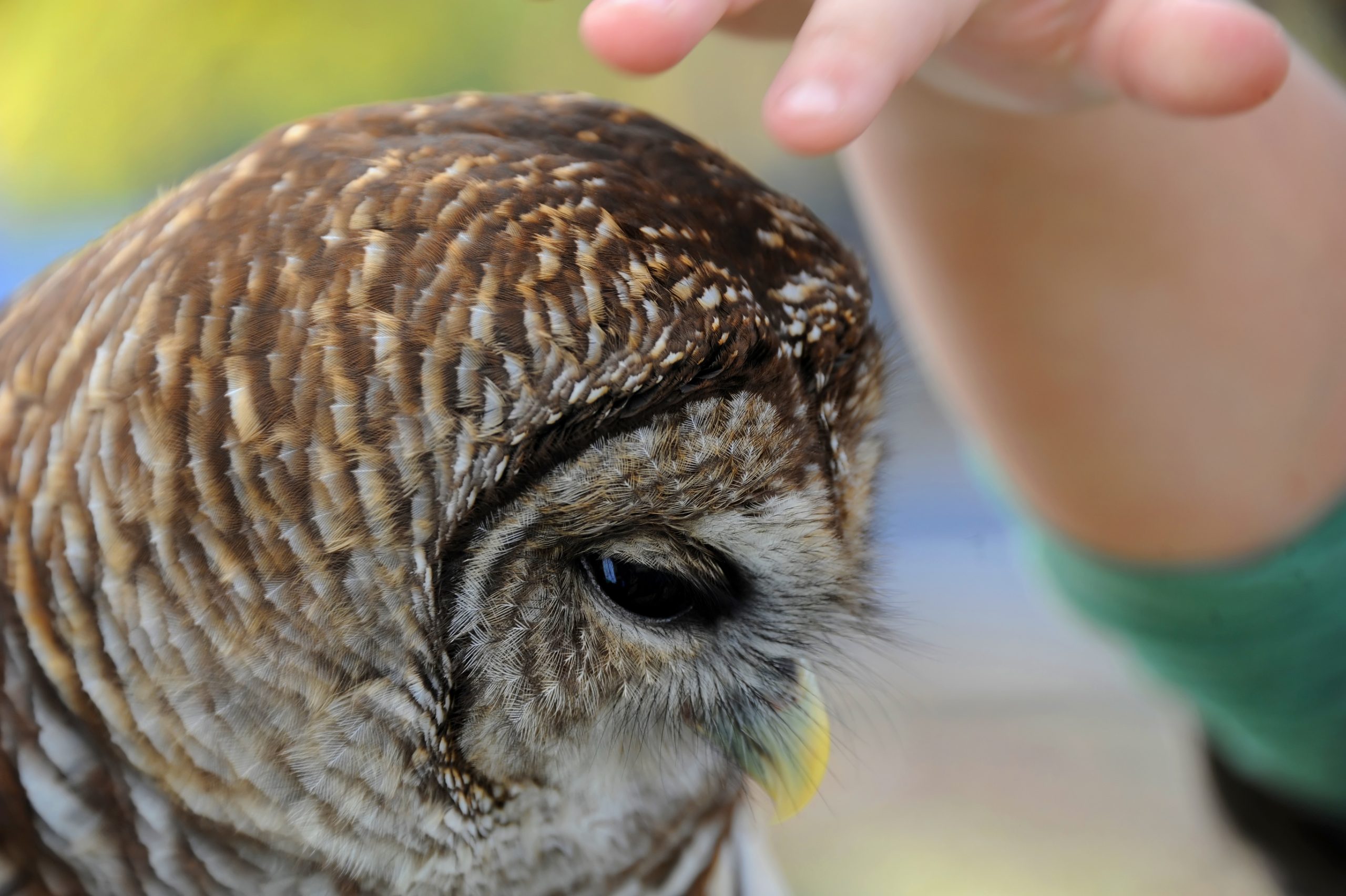
At Raptor Rescue, visitors learn to respect and protect wildlife while observing ethical behaviour and animal welfare. Interactive programmes show how human actions affect wild animals, including the effects of captivity, imprinting, and exploitation. Real rehabilitation stories illustrate why wild animals belong in the wild and the impact of informed, compassionate decisions. A strict no-touch policy is maintained, with all raptor handling carefully managed by trained staff or volunteers.
CONSERVATION IN ACTION
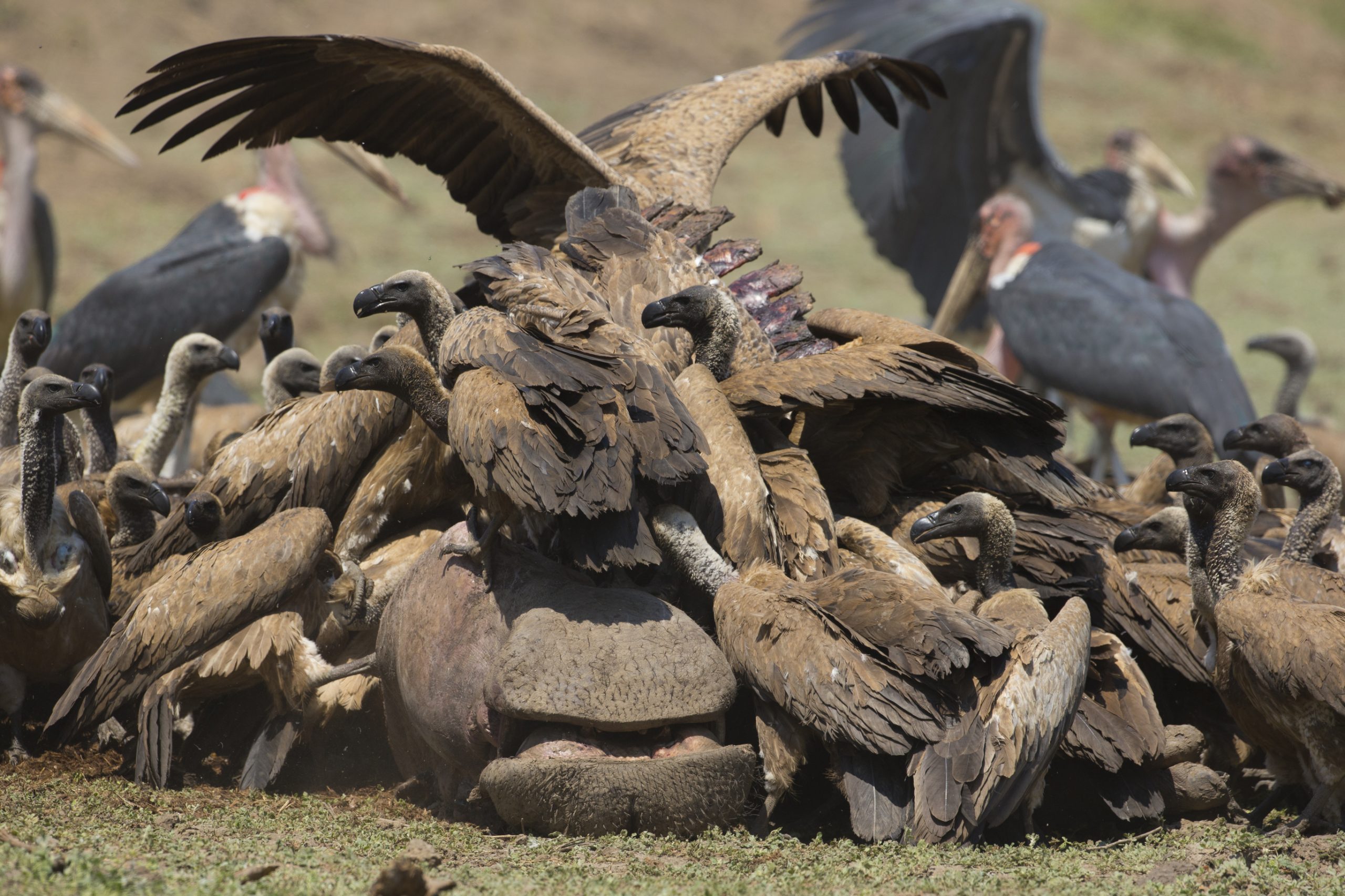
At Raptor Rescue, visitors learn about threats to raptors and wildlife, including habitat loss, poisoning, collisions, illegal capture, and human disturbance. Programmes highlight how these pressures affect biodiversity and ecosystem balance. Practical guidance is provided on creating wildlife-friendly spaces, supporting ethical tourism, reporting injured birds, and reducing daily environmental impact. Visitors are also directed to reputable conservation organisations, empowering communities to coexist responsibly with nature and take part in ethical conservation.
NEVER ATTEMPT TO RAISE BABY WILDLIFE AT HOME
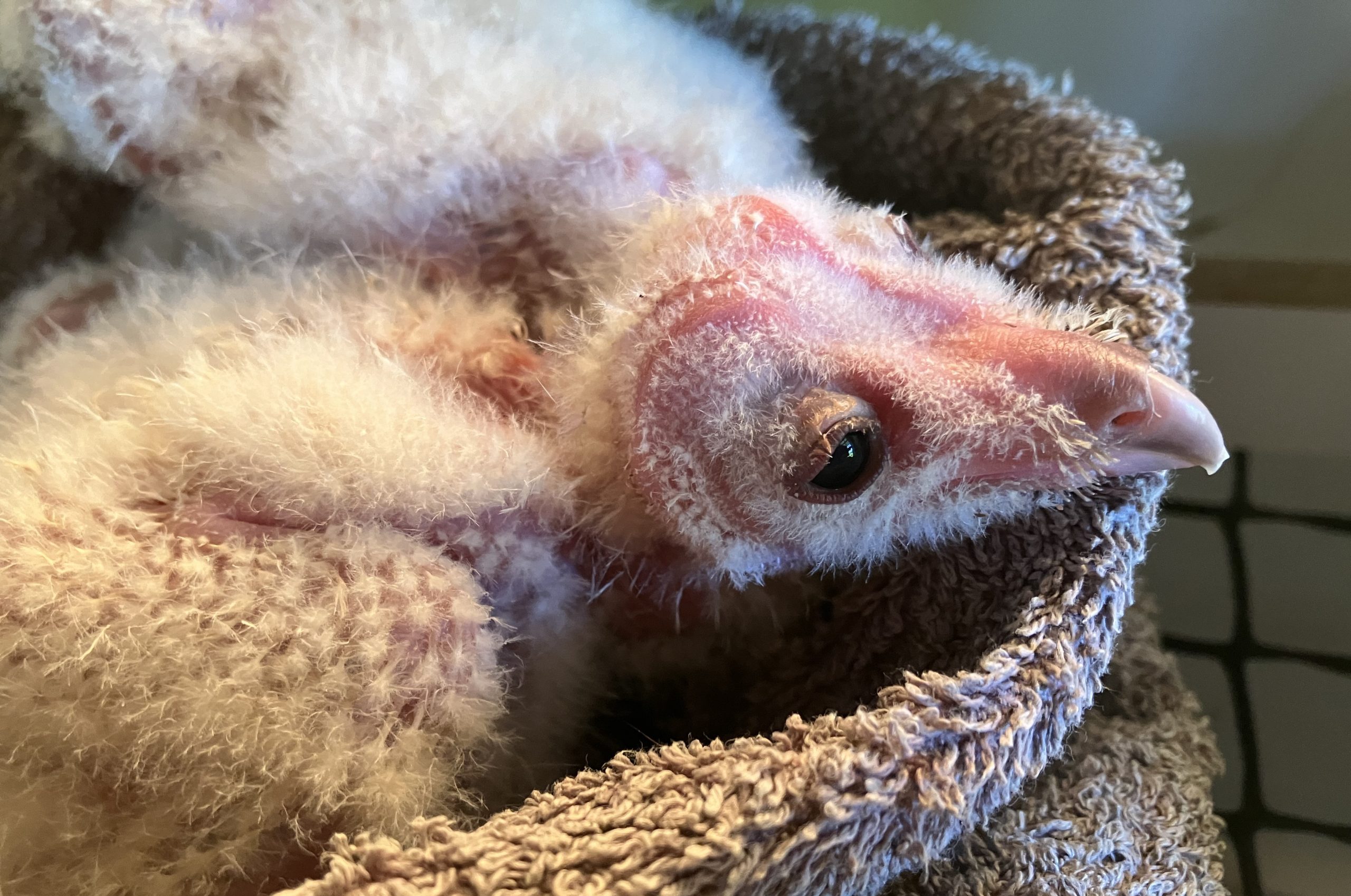
Raising wild animals at home is illegal and can be very harmful. Young birds and wildlife have specific needs, and even well-meaning care can cause health problems, behavioural issues, or deformities that prevent survival in the wild. Imprinted animals may fail to recognise their own species, become overly familiar with people, or struggle to hunt. At Raptor Rescue Plettenberg Bay, imprinted wildlife often cannot be released and must be cared for in specialised rehabilitation or educational programmes, or, if no placement exists, humanely euthanised. Visitors also learn how to intervene responsibly, as many seemingly orphaned chicks are actually being cared for by their parents, and unnecessary interference can do more harm than good.
Raptor welfare
At Raptor Rescue Plettenberg Bay, every bird’s welfare is our top priority. Our rehabilitation and conditioning practices support natural behaviours, flight, and independence. While our team is trained in falconry techniques, we have adapted them to minimise stress and meet the birds’ needs. We acknowledge falconry’s role in raptor rehabilitation, including successes like peregrine falcon population recoveries, but our approach focuses on voluntary engagement. Birds are never tethered or restrained, and our flight tunnel is used to safely assess fitness, manoeuvrability, and stamina. Free-flighted birds in education programmes are never fitted with leashes or equipment, removing entanglement risks. All birds are legally ringed and microchipped for monitoring. Through these practices and our education-focused mandate, we ensure raptors are cared for ethically, rehabilitated effectively, and given the best chance to thrive in the wild.

KEEPING INDIGENOUS WILDLIFE AS PETS
Keeping wild animals as pets causes stress, isolation, and poor welfare. Indigenous species should only enter captivity through licensed conservation or rehabilitation programmes. In South Africa, it is illegal to keep wildlife without a permit, as these animals have complex social, behavioural, and nutritional needs few homes can meet. Removing wildlife from their habitats threatens populations and disrupts ecosystems. Injured or orphaned animals should always be referred to a registered veterinary or wildlife rehabilitation professional.

KEEPING EXOTIC WILDLIFE AS PETS
Millions of exotic birds, reptiles, mammals, fish, and insects are kept as pets worldwide. These animals are often transported under stressful conditions, with many dying during capture or early in captivity. Exotic pets can also threaten local ecosystems, for example, invasive species like ring-necked parakeets compete with indigenous birds and can spread disease. Many exotic pets are kept in inadequate enclosures, with poor diets and limited access to water, leaving their natural physical, behavioural, and psychological needs unmet.

SUPPORT WILDLIFE RESPONSIBLY
Feeding wild animals can disrupt natural behaviours, create dependence on humans, and increase conflict. In the Western Cape, baboons and vervet monkeys often raid homes and waste areas when habituated to handouts. These animals play vital ecological roles, such as dispersing seeds, supporting healthy habitats, and providing ecosystem services. Planting indigenous fruiting or flowering plants allows wildlife to feed naturally. By keeping a respectful distance, avoiding direct feeding, and managing waste responsibly, people help animals remain independent, healthy, and thriving in their natural habitats.

SUPPORT ETHICAL WILDLIFE TOURISM
Elephants and big cats have complex social and environmental needs that cannot be met in captivity. Tourism activities like elephant rides and lion cub interactions are often cruel, causing long-term physical and psychological harm. Lion cubs used in petting facilities cannot be released and are often later used in circuses, for trophy hunting, or in the lion bone industry. Ethical conservation supports wild populations in protected habitats rather than exploiting animals for entertainment. By choosing reputable facilities, visitors can help protect species and ecosystems, ensuring that wildlife is respected, conserved, and allowed to thrive in the wild..

Advocates for a
Poison-Free environment
We oppose the use of poisons and promote natural pest control through raptors — nature’s most effective rodent managers. A single Barn Owl can eat over 1,000 rodents a year, providing safe and sustainable control without toxic side effects. Rodenticides are non-selective and cause secondary and even tertiary poisoning, contributing significantly to indigenous predators’ deaths and the decline of our wildlife populations. Urbanisation has increased pest populations while simultaneously removing natural predators. Installing owl boxes and retaining natural vegetation, including safe standing trees for perching, supports hunting success and restores balance. We are committed to educating the public about the harmful effects of poisoning on our indigenous wildlife. A poison-free approach protects wildlife, pets, and ecosystems, allowing nature to regulate itself.