Meet our resident ambassadors
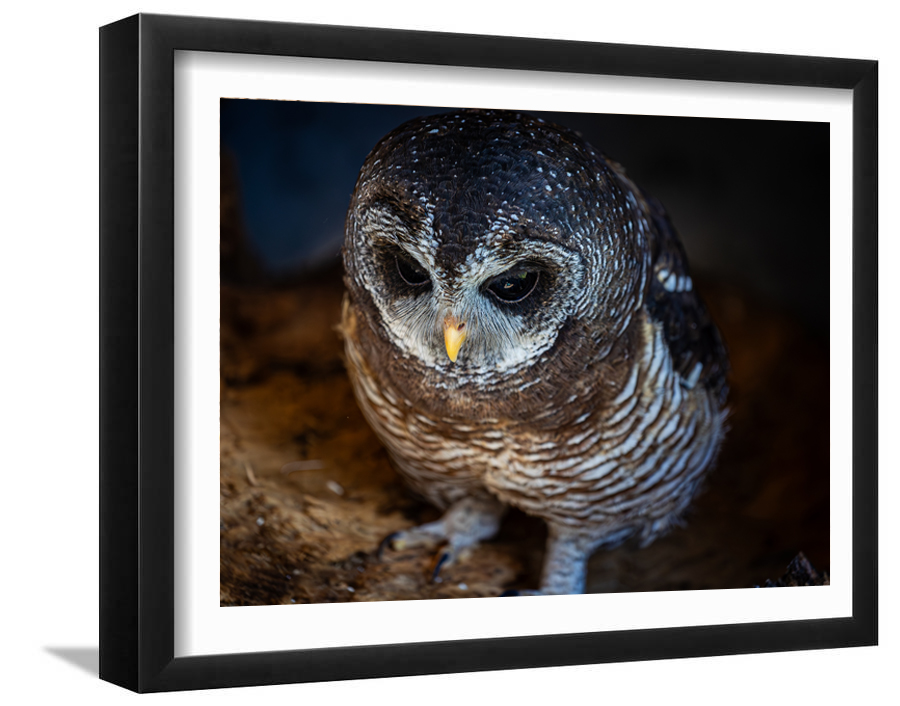
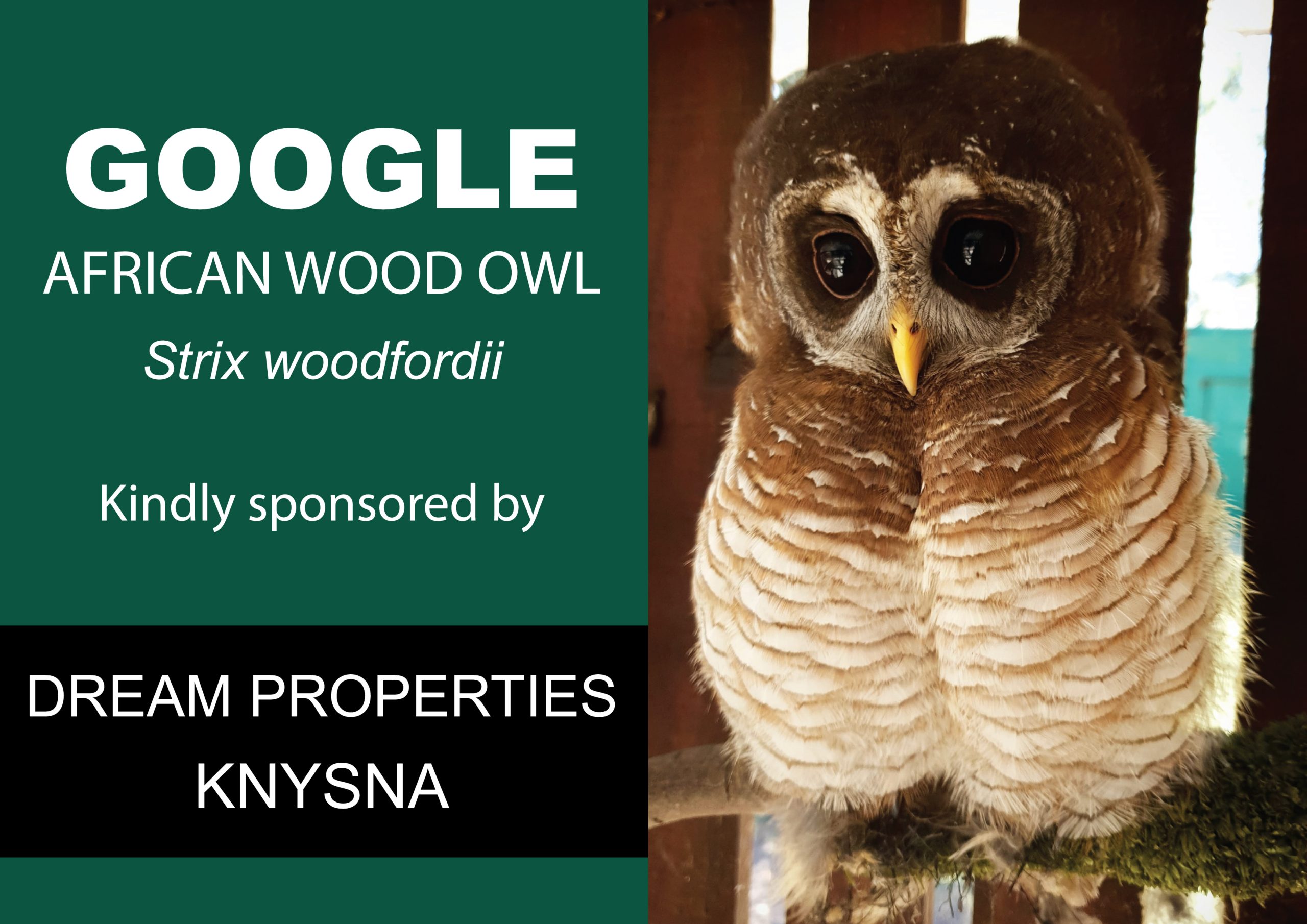
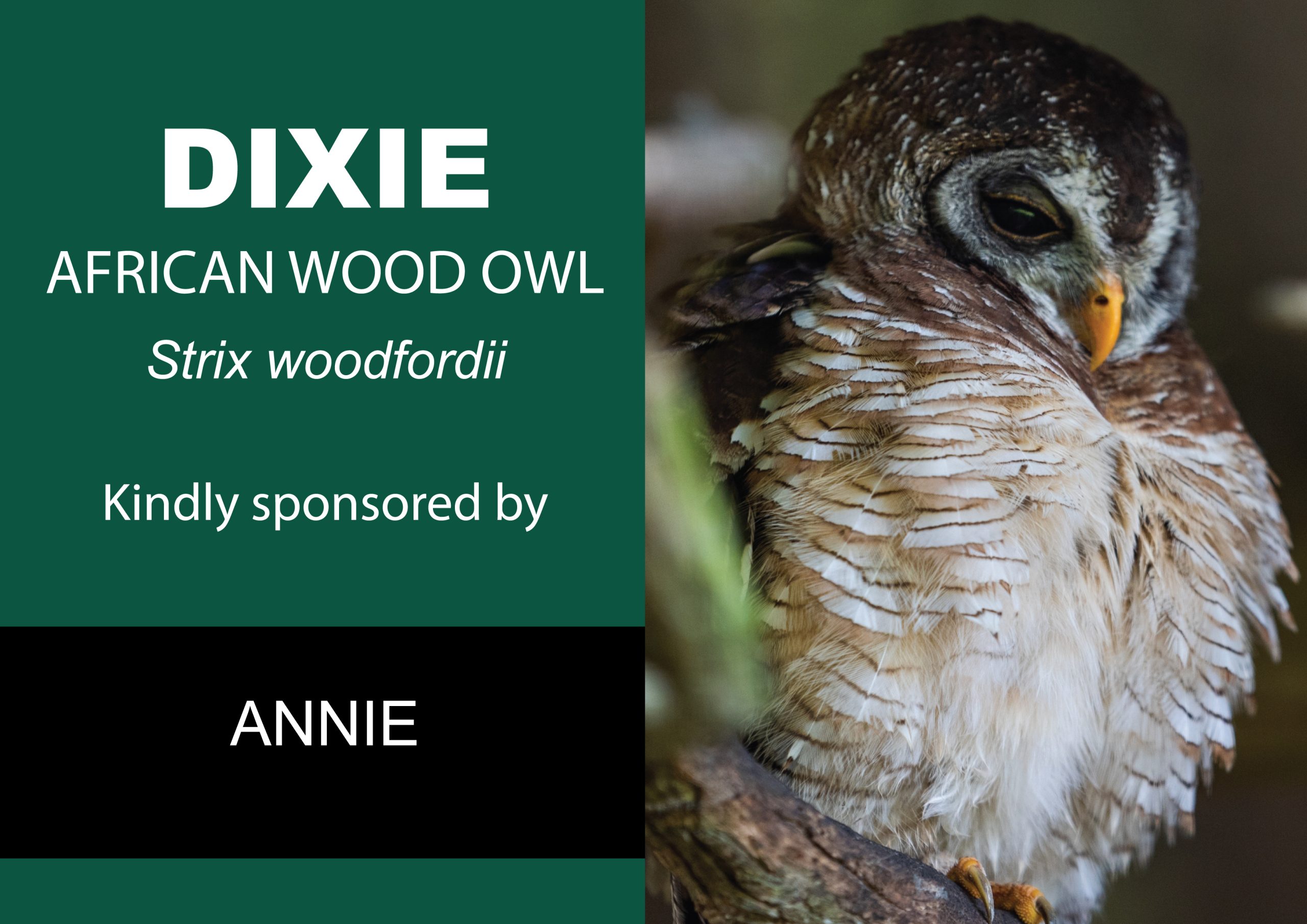
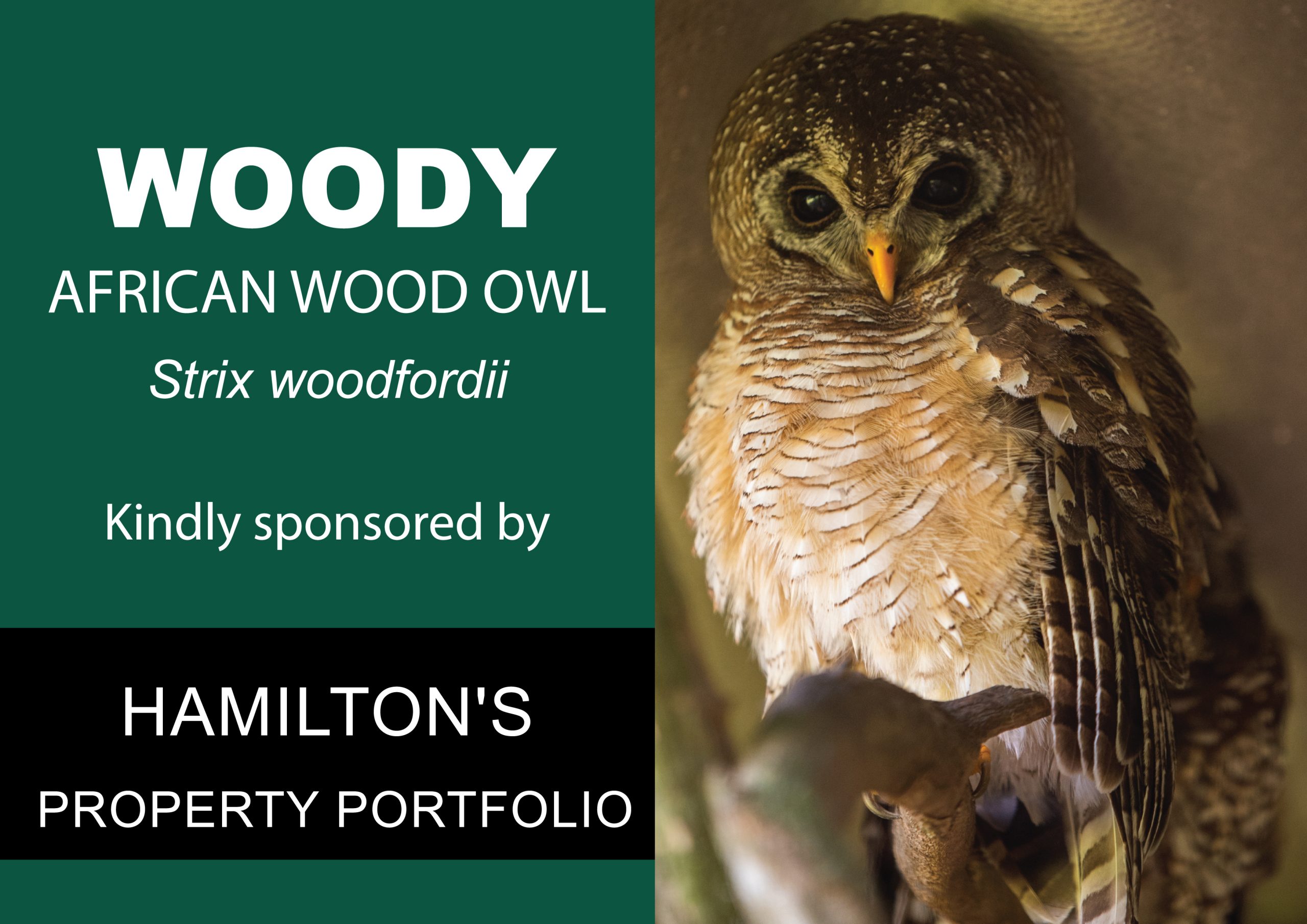
African wood owls
The African Wood Owl is a strictly nocturnal species, well adapted to life in dense forested areas. In the Garden Route, they are commonly found in indigenous forests, wooded river valleys, and well-established suburban gardens with mature trees. During the day, they roost quietly in dense cover, usually high in trees and alone or in pairs.
Sadly, we regularly admit African Wood Owls that have been injured in vehicle collisions. These owls are often drawn to roads at night to hunt insects and rodents attracted by streetlights or food waste discarded by people. Please do not throw rubbish from your vehicle, as it increases the risk to wildlife.
Sponsor a bird today!
Help care for our resident birds with an annual sponsorship.Your support covers their feeding, and in return, you get unlimited visits, our newsletter, and recognition online as well as on our sponsor boards at the centre.
OUR RESIDENT AFRICAN WOOD OWLS
BALOO
Baloo was confiscated after being illegally kept by a member of the public, where he was confined to a box during the first six weeks of his development. Fortunately, he was fed an appropriate diet, and his feather and bone development were not affected. However, having been raised by humans, Baloo became human-imprinted and is unfortunately non-releasable.
Correct upbringing and imprinting on their own species are essential for young owls to develop the skills needed to survive in the wild. While Wood Owl populations in our area remain stable and many have been successfully rehabilitated and released over the years, Baloo now serves as an ambassador for his species, helping us educate visitors about responsible wildlife care. He is kindly sponsored by Anthony and Jane Bowland.


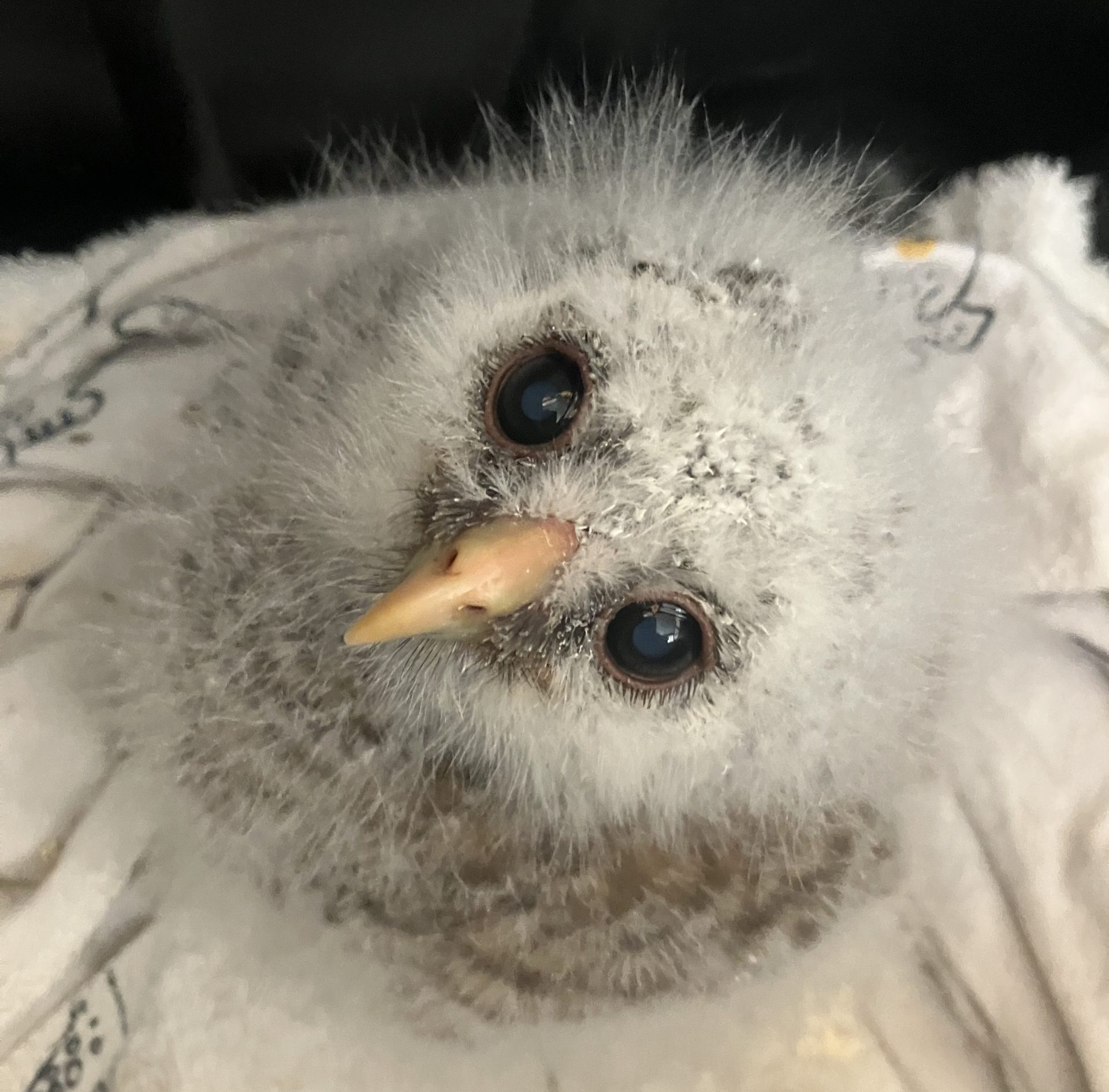
They may look cute, but baby birds and owls are not pets!
Baby birds may seem cute and helpless, but they are wild animals with specific developmental needs. During a short, critical period, chicks imprint on their parents, learning their species identity, behaviour, and survival skills.
When raised by humans, birds imprint on people instead of their own kind. This causes lifelong problems: they may lack fear of humans, act aggressively, struggle to communicate with other birds, and are usually rejected by their species. They cannot survive in the wild and are unsuitable for release. While a few may become education birds, many face a tragic outcome.
Please do not raise baby wild birds at home. What seems like help can cause permanent harm. If you find a baby bird or owl, contact us immediately.