Meet our resident Ambassadors
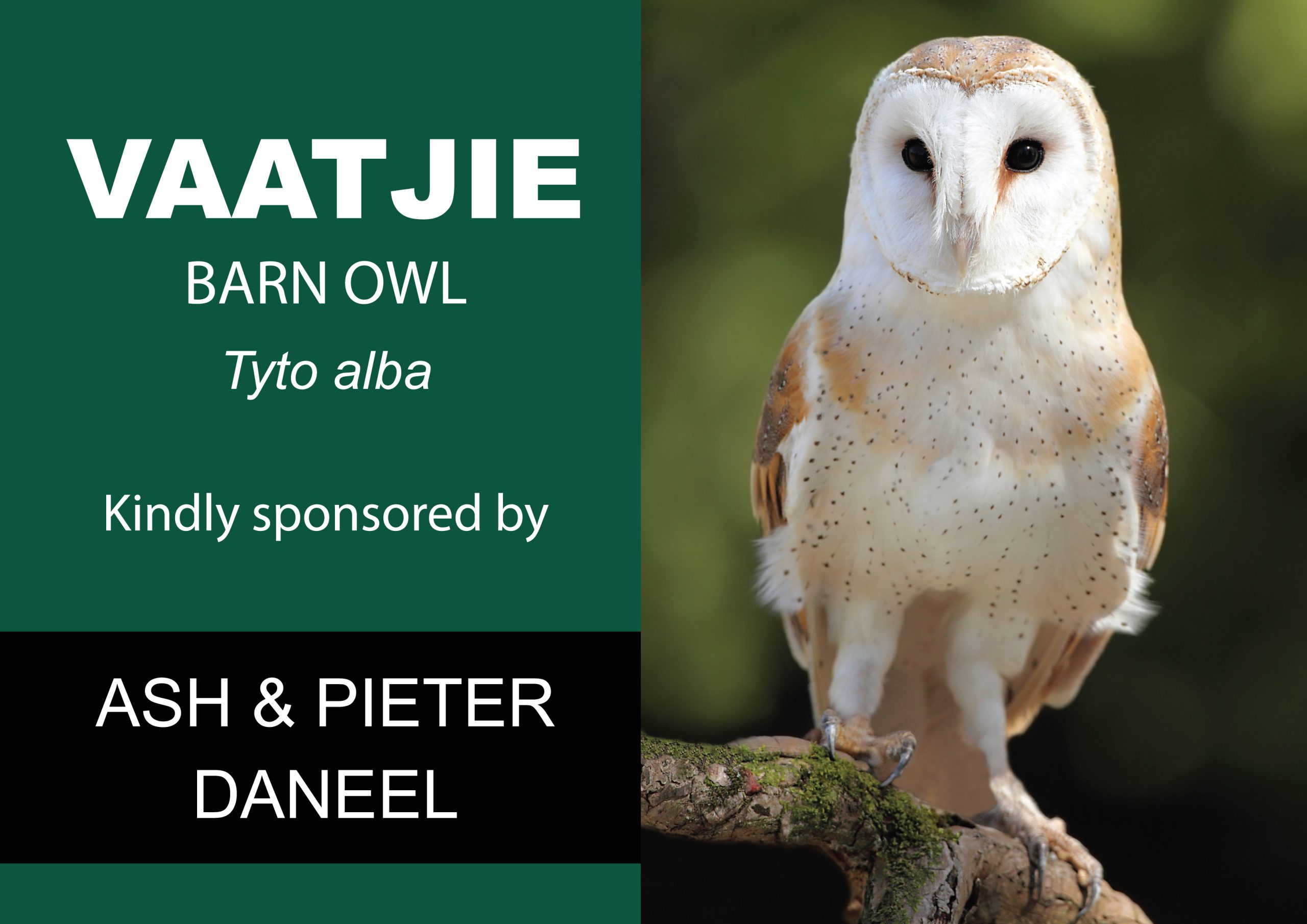
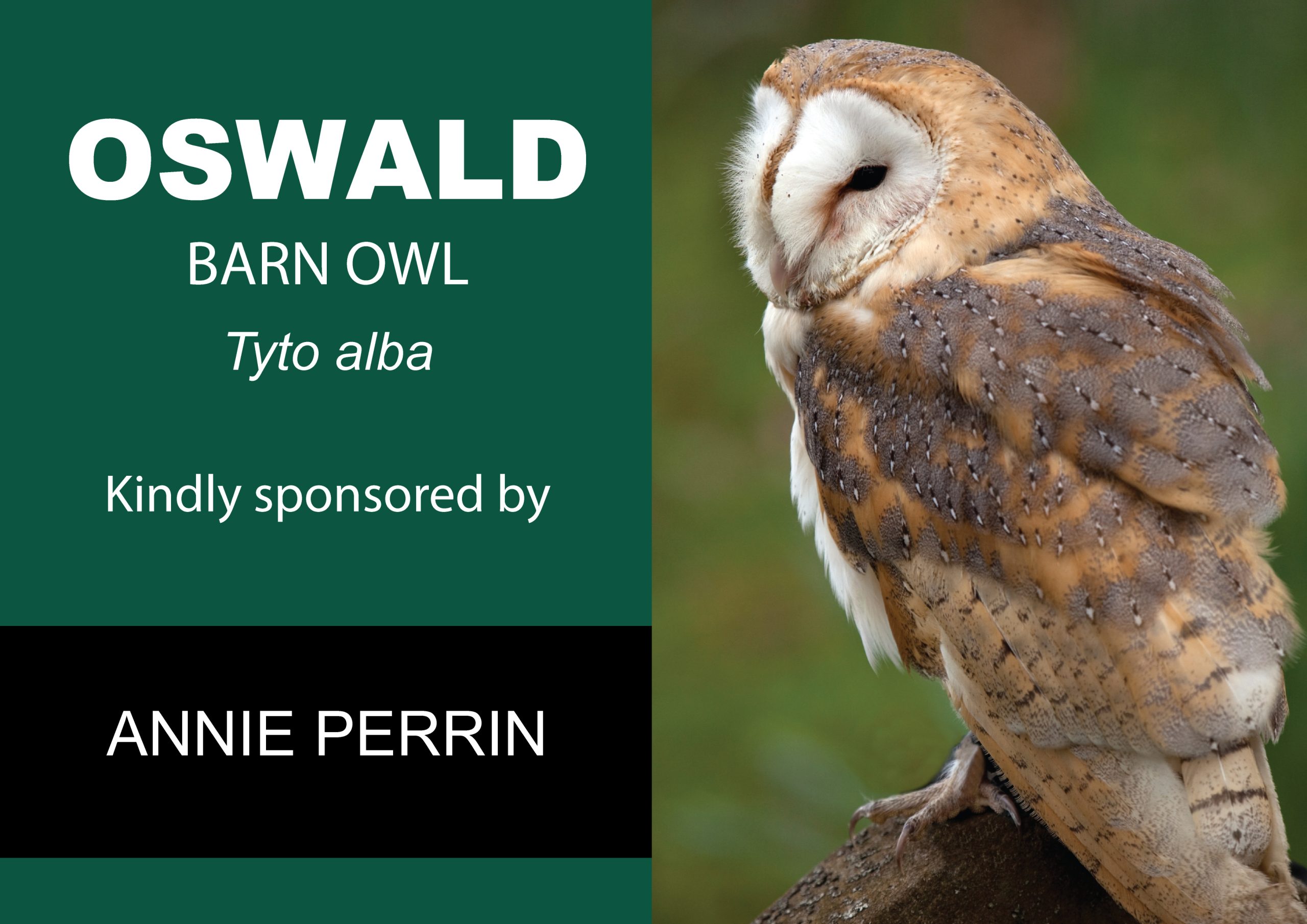
Western barn owl
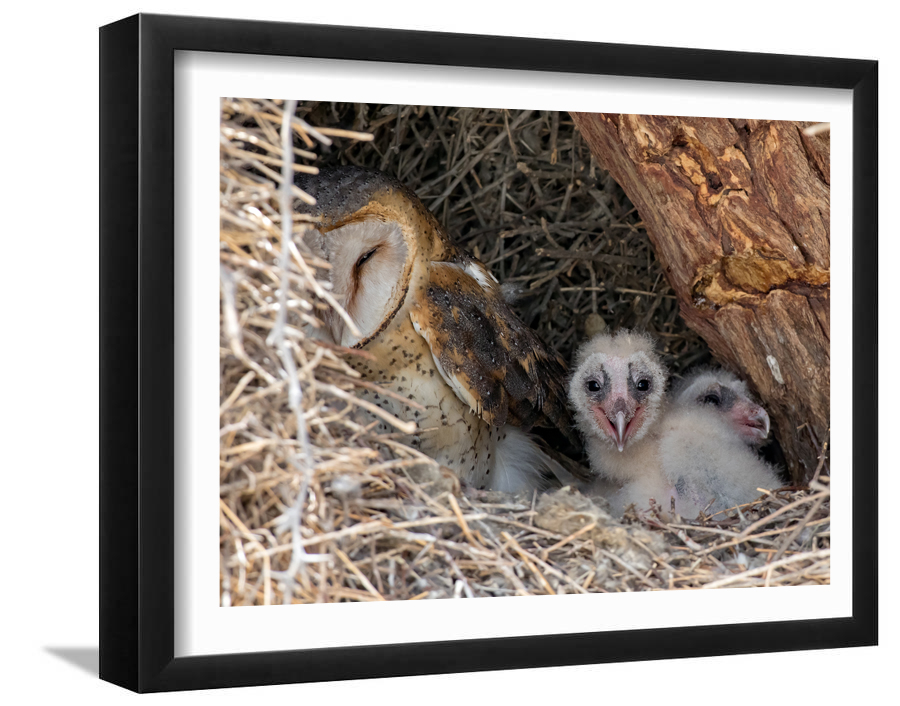
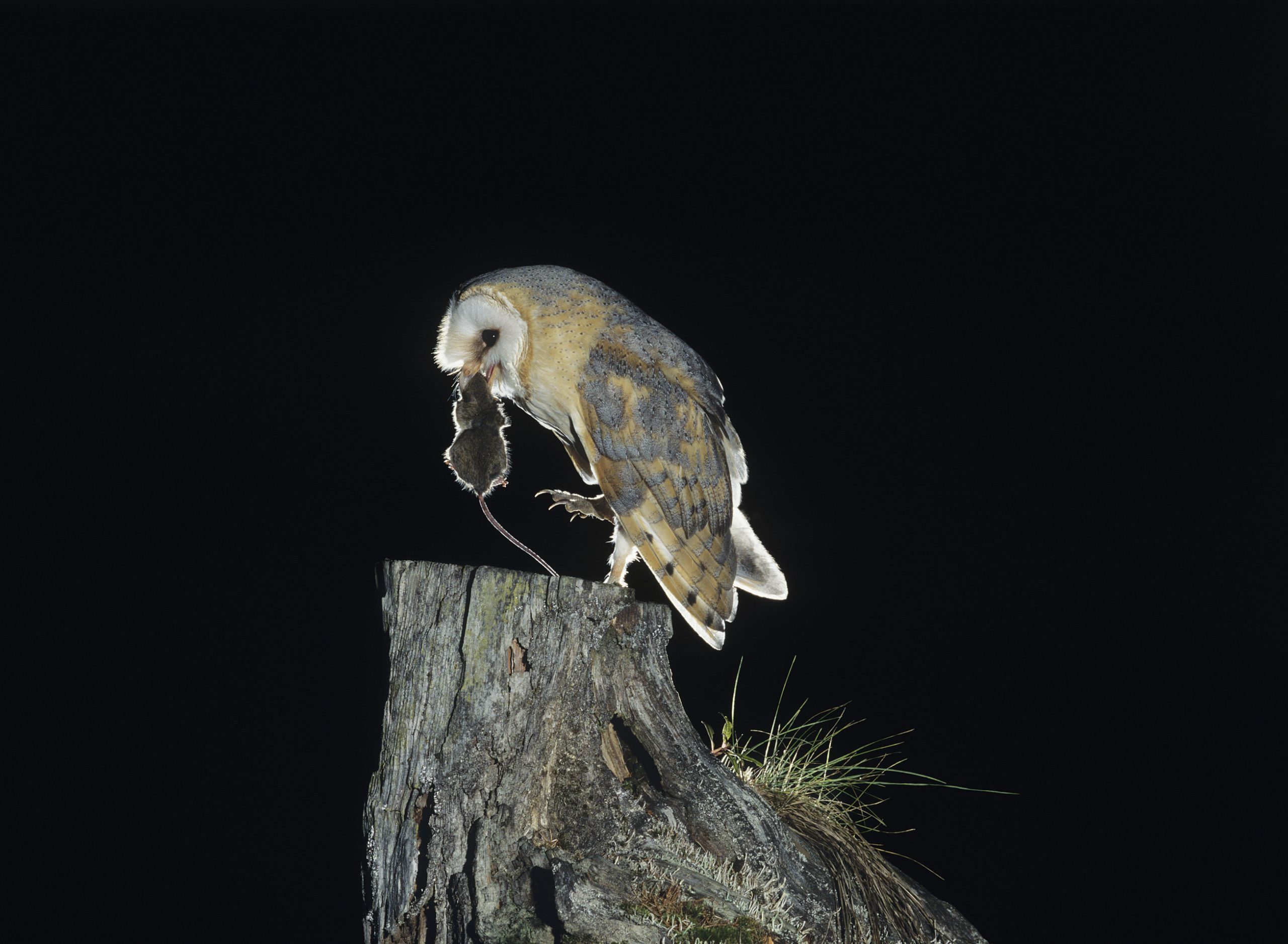
Western Barn Owls are widespread across southern Africa and adapt well to living near farmland and human settlements. They are highly effective natural predators, feeding primarily on rats and mice. During the breeding season, when parents are feeding chicks, they consume even more, helping to regulate local rodent populations naturally.
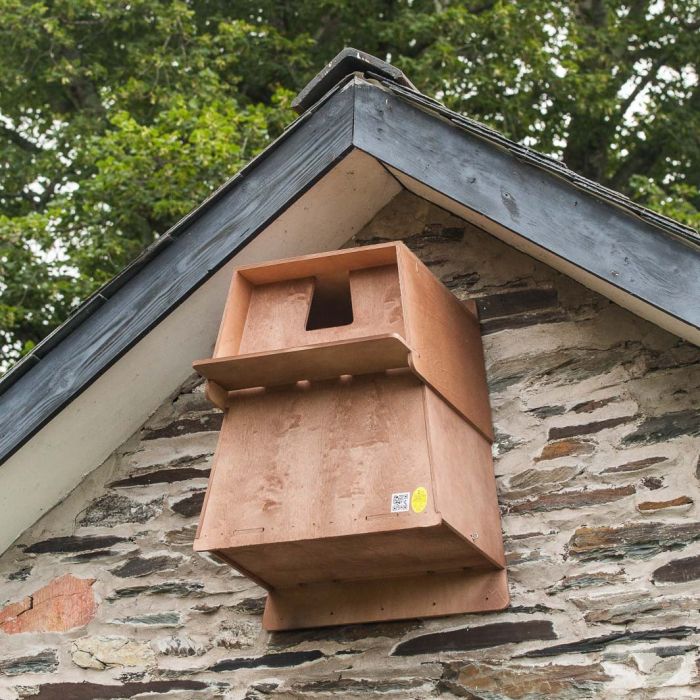
For nesting and roosting, they use tree holes, barns, silos, disused buildings, and other safe cavities. You can help support Barn owls on your property by installing nesting boxes. Get in touch for advice on owl boxes and tips to encourage these incredible natural pest controllers.
Sponsor a bird today!
Help care for our resident birds with an annual sponsorship.Your support covers their feeding, and in return, you get unlimited visits, our newsletter, and recognition online as well as on our sponsor boards at the centre.
OUR RESIDENT BARN OWLS
OUR FIRST RESCUE
Meep was rescued in October 2020 after being displaced from his nest in Graaf-Reinet, he was our very first rescue after taking over the Heath Centre.
Because Meep spent a week with humans before arriving at the centre, and with no other Barn Owls present for him to learn from, he became imprinted on people. Baby birds must imprint on their parents to develop the essential skills needed for a successful release; without this, they cannot learn to hunt or survive in the wild.
Today, Meep is a vital ambassador for his species, featuring in our educational flying demonstrations and helping visitors connect with Barn Owls. He is proudly sponsored by Liz Phillips from Fynbos Ridge.
Stop using poison!
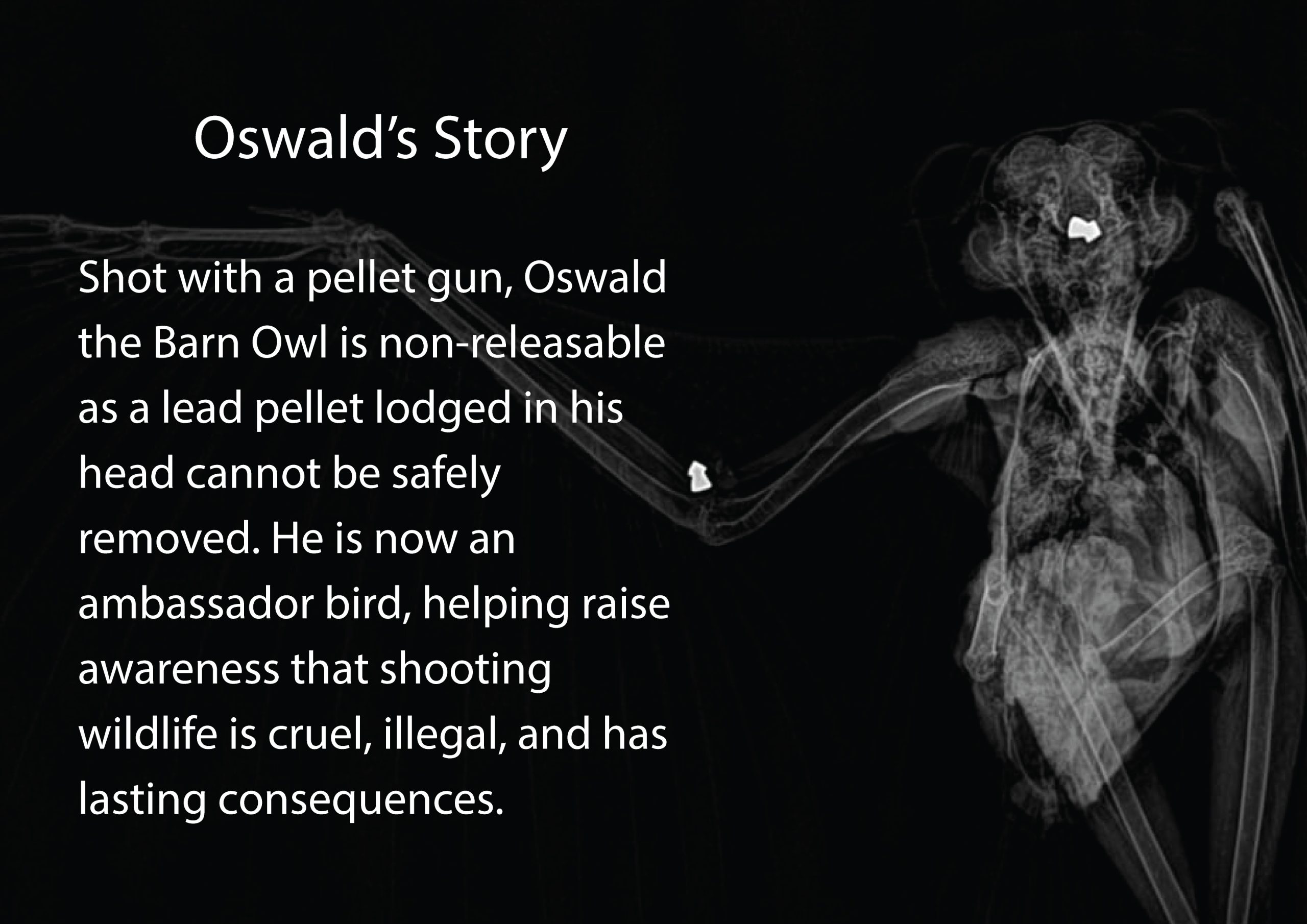
Despite what many people are told, no rodenticide is truly safe. These poisons are not selective and pose a serious risk to wildlife and pets. When rodents eat poisoned bait, it can take several days for death to occur. During this time, weakened rodents become easy prey for predators, leading to secondary poisoning.
Poisoning is a leading cause of death for birds of prey and contributes significantly to the decline of raptor populations. In one year, a single Barn Owl can eat 1,000 rodents or more. Please, let the birds do their job and stop using poison!
Get in touch to learn about eco-friendly and owl-friendly alternatives for safe pest control.